





KEEP UP WITH US
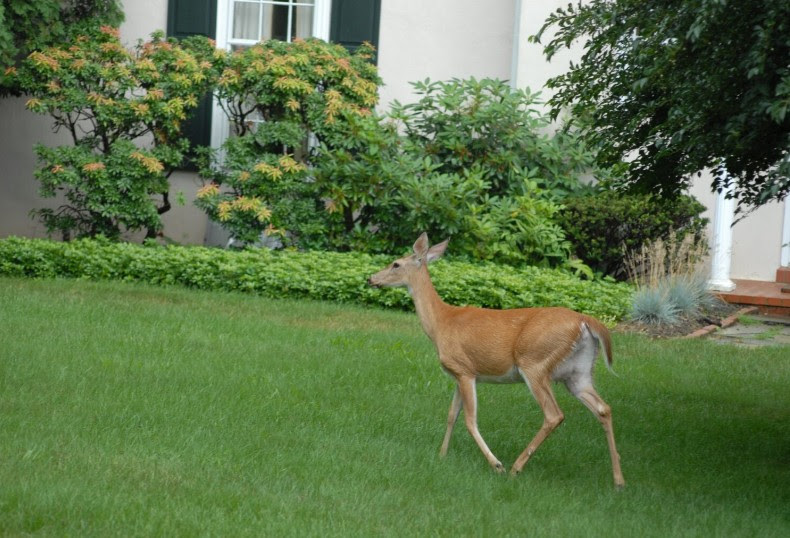
Designing a deer-resistant garden requires an understanding of both deer behavior and the types of plants that deter them. This guide provides essential tips and strategies for homeowners in Rochester who wish to protect their landscapes from these persistent animals. By implementing a combination of plant selection, physical barriers, and natural repellents, you can create a thriving garden that remains untouched by deer and other critters.
For instance, incorporating native plants that deer typically avoid, such as lavender and ornamental grasses, can significantly reduce the likelihood of deer browsing. Additionally, using physical barriers like fencing or netting can provide an extra layer of protection. Understanding the seasonal habits of deer can also help you time your planting and protective measures effectively.
Natural repellents can be an effective way to keep deer and other critters at bay without resorting to harmful chemicals. Many homeowners prefer these eco-friendly solutions that not only protect their gardens but also contribute to a healthier environment. Various natural ingredients, such as garlic, hot pepper, and essential oils, have been shown to deter deer due to their strong scents.
For example, creating a homemade spray using garlic and water can be an inexpensive and effective deterrent. Simply blend several cloves of garlic with water, strain the mixture, and spray it around the garden. Additionally, using commercial products that contain natural ingredients can also offer protection while being safe for the surrounding ecosystem.
Maintaining a deer-resistant garden involves a seasonal approach to care and upkeep. Each season presents unique challenges and opportunities to reinforce your garden's defenses against deer and other critters. Understanding these seasonal patterns can help you plan your maintenance tasks effectively.
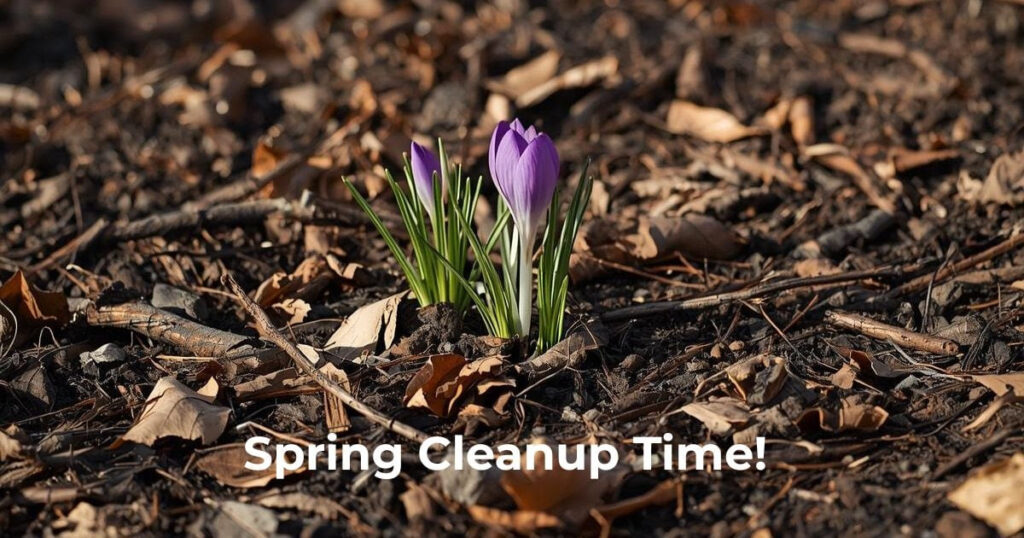
In spring, focus on planting deer-resistant species and applying natural repellents to deter browsing as new growth emerges. During summer, regular maintenance, such as pruning and watering, ensures that plants remain healthy and less appealing to deer. Fall is an excellent time to assess your garden's success and make adjustments, while winter may require protective measures like wrapping young trees to shield them from deer damage.
Selecting the right plants is crucial for creating a deer-resistant landscape. Certain plants are naturally unappealing to deer due to their taste, texture, or scent. By incorporating these species into your garden design, you can enhance its beauty while minimizing the risk of deer damage.
Examples of deer-resistant plants include marigolds, boxwood, and sage, which not only add aesthetic value but also serve as effective deterrents. When planning your garden, consider grouping these plants together to create a cohesive look while maximizing their protective benefits. Additionally, consulting with local gardening experts can provide insights into the best plant choices for your specific area and conditions.

