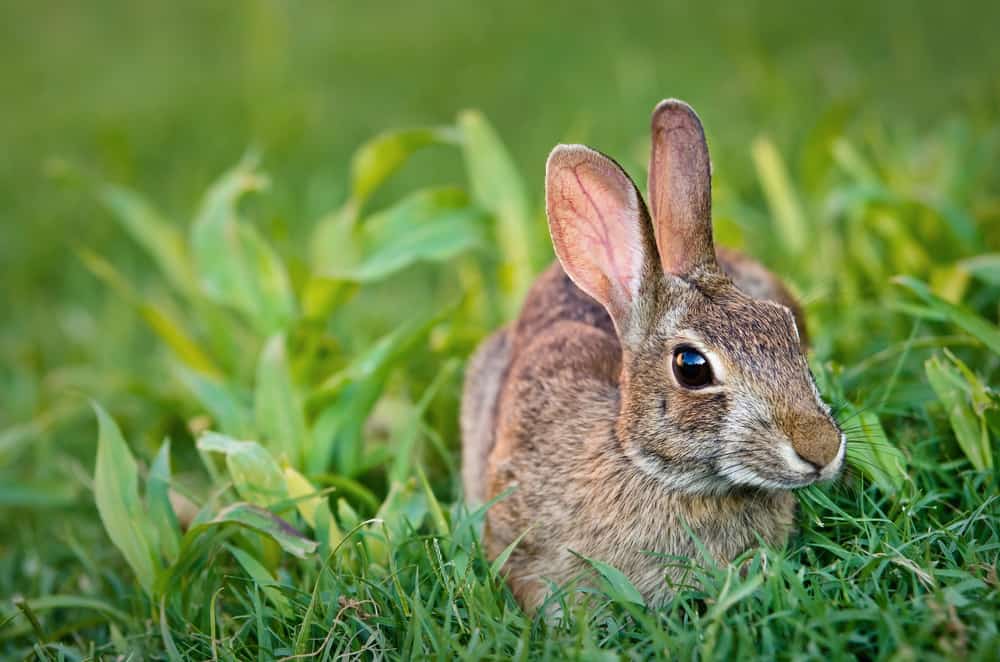
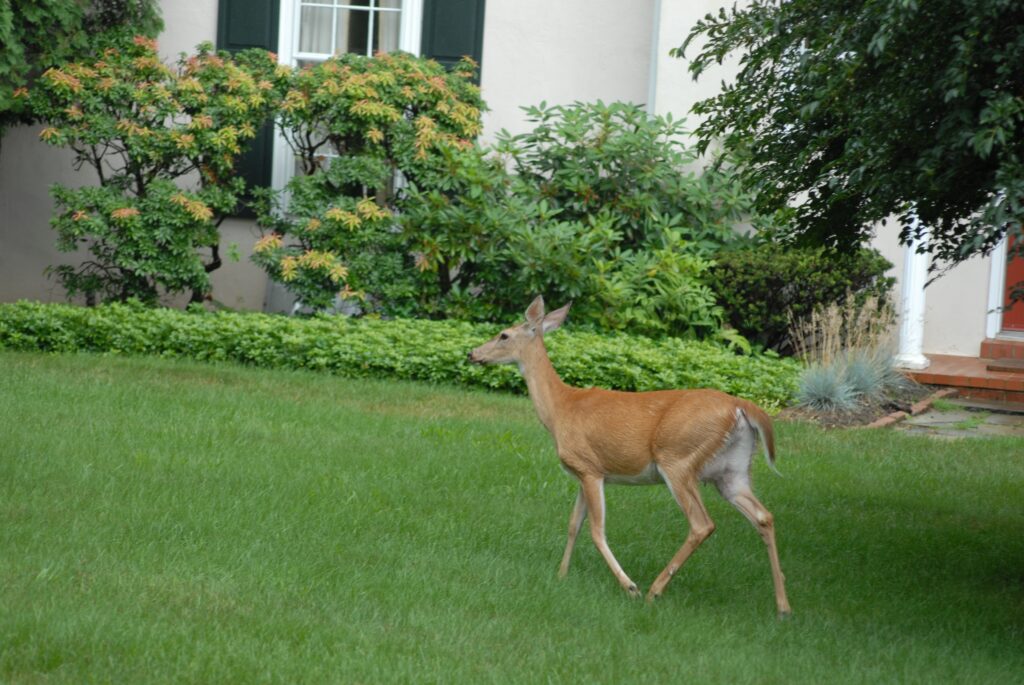
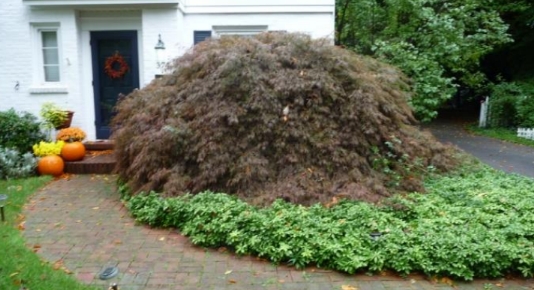
If you reside in Rochester or any of it’s suburbs, you are familiar with the growing population of deer and how much of an impact they can make in our landscapes. There are several approaches to creating a deer resistant garden. It’s worth mentioning that other critters, such as rabbits, will be deterred by the same sort of suggestions.
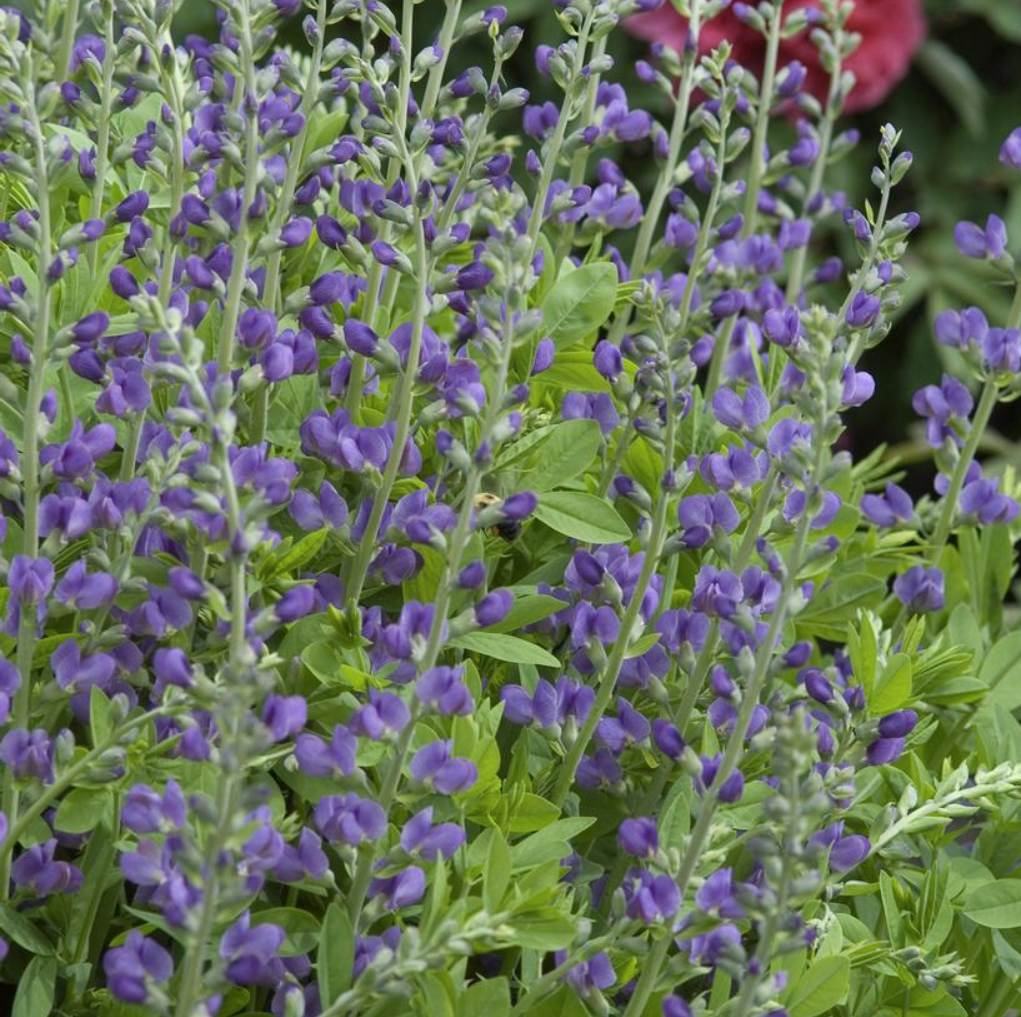
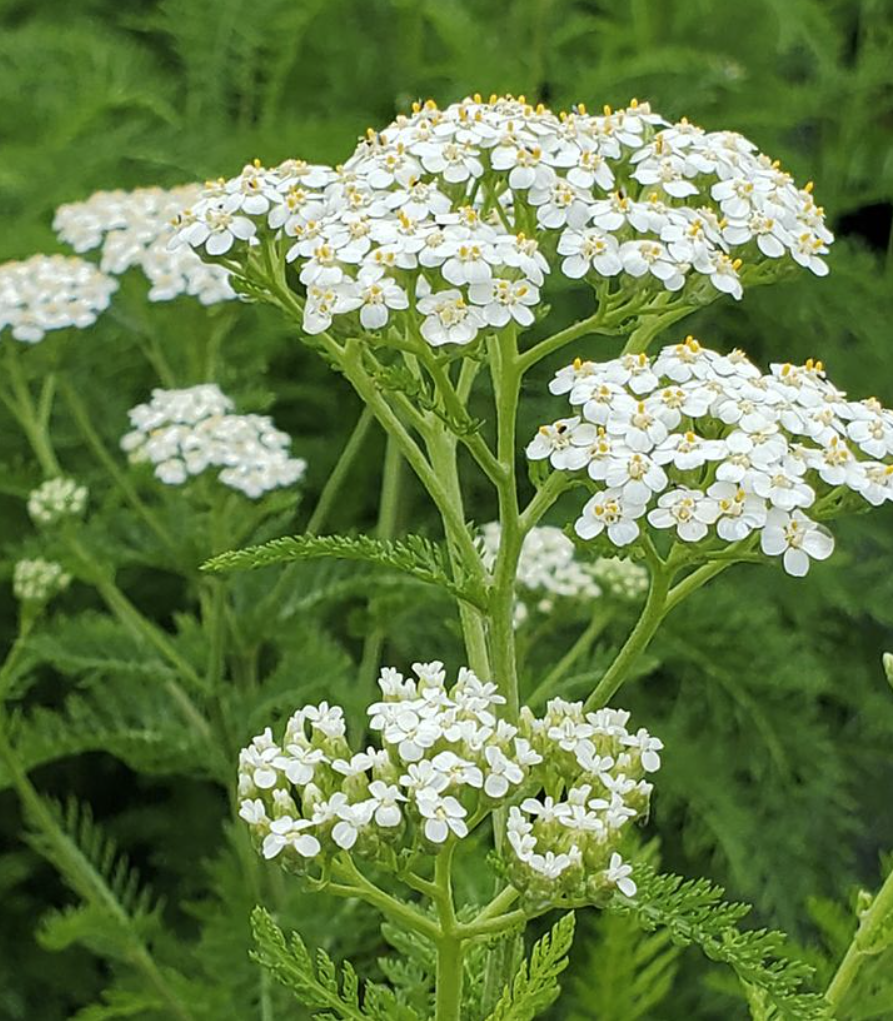
Plant choices: there are two key aspects to choosing the best plants, texture and fragrance. Plants with fuzzy or leathery leaves are less appealing for their palates. Yarrow, Purple Love Grass, Baptisia, Bayberry, Lambs Ear are examples of this.
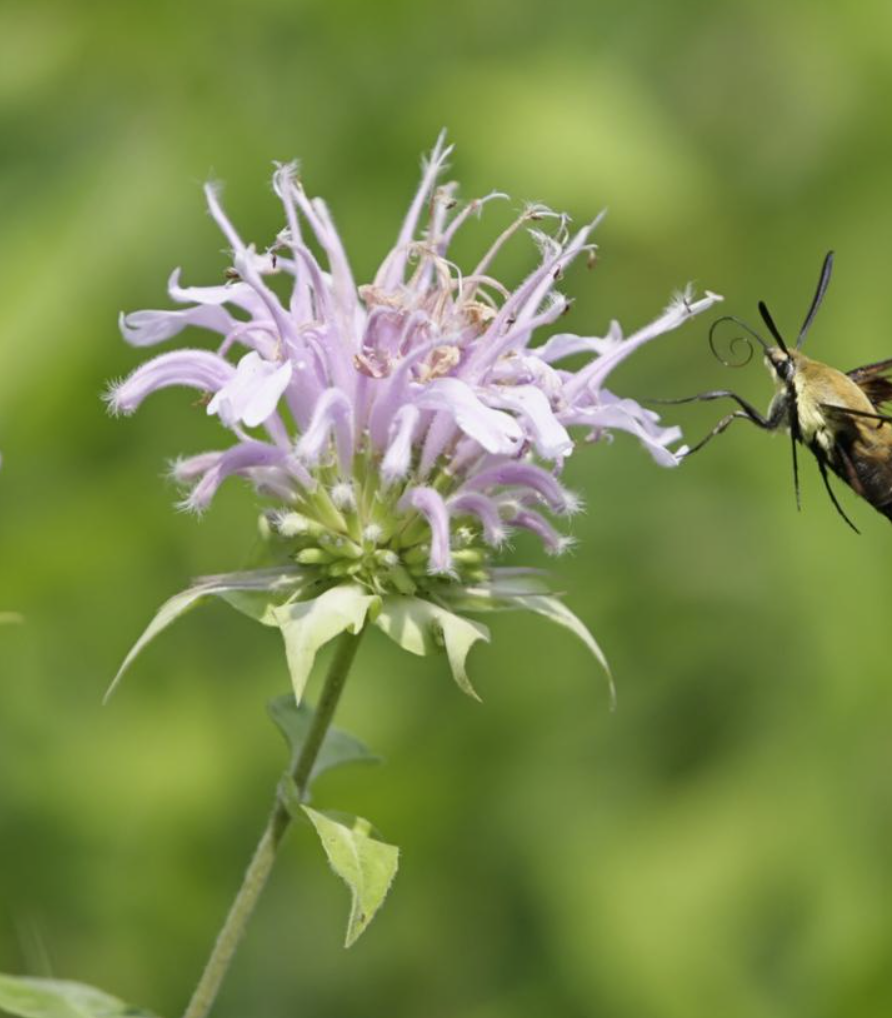
The plants that have the most pungent fragrance are great options, such as Bee Balm, Mt Mint, or Spicebush.
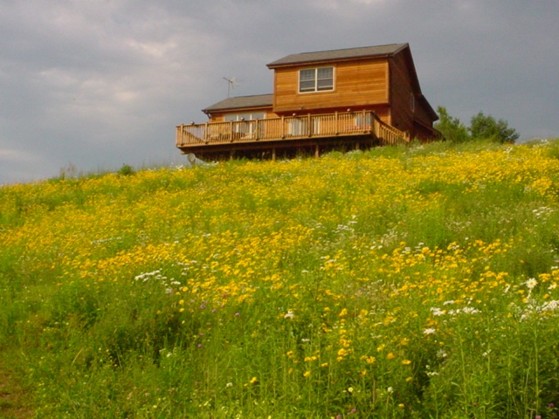
While weighing your choices, you must consider sun, shade, soil type and as always, native is best!
Baptisia
Achillea, Yarrow
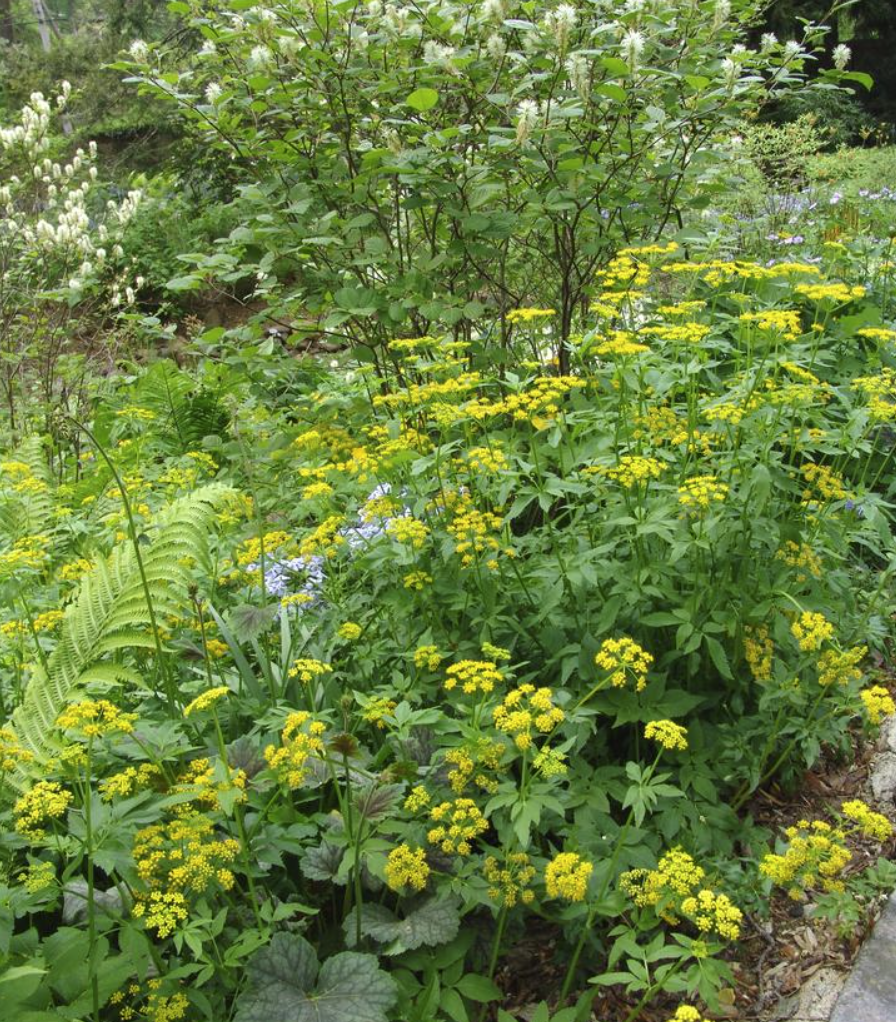
Zizia Aura, Golden Alexander
Monarda Fistulosa, Bee Balm
Treatments:
You can purchase some very effective solutions that are naturally derived for applications. Broccolo offers the option of having someone come out monthly to apply this for you, or you can purchase the product yourself in our retail store. Summer Guard Treatments cost roughly $125 for each visit, and since this would be required April-November, you may find it more cost effective to do on your own.
We do also offer a fungicide-based winter-guard, that is applied in November and lasts until March. This requires a pesticide certification to use.
Broccolo offers a natural mosquito treatment that is applied around perimeters, living areas, and groundcovers that will also contribute to deterring deer populations due to the scent of garlic and other essential oils. Fleas and ticks don’t like it either.
Our in-store options include both granular and liquid sprays such as Repels All and Liquid Fence. These organic products contain putrefied eggs and garlic – substances that by themselves repel deer. Botanical oils are added from plants that deer won’t eat – such as peppermint, lemongrass, cinnamon, and clove, onion, clove, and wintergreen. Animal products with urine, dried blood, and fish oil are also effective.
The great thing about organic products is that they don’t persist in our environment. That means more frequent treatments as they break down in extreme heat or especially after heavy rains. Rotating the products may be necessary as the animals may get used to the smell and another product may be a better deterrent.
Our in-store options:
Includeboth granular and liquid sprays such as Repels All andLiquid Fence.These organic products containputrefied eggs and garlic – substances that by themselves repel deer. Botanical oils are added from plants that deer won’t eat – such as peppermint, lemongrass, cinnamon, and clove, onion, clove, and wintergreen. Animal products with urine, dried blood, and fish oil are also effective.
The great thing about organic products is that they don’t persist in our environment. That means more frequent treatments as they break down in extreme heat or especially after heavy rains. Rotating the products may be necessary as the animals may get used to the smell and another product may be a better deterrent.
Fencing/Netting:
Creating physical barriers can be very effective, especially for vegetable gardens. We would install the fence and keep it in place with heavy duty stakes.
Motions activated sprinkler:
There are even solar powered options to scare the deer away.
The unfortunate reality is that many plants deemed ‘deer resistant’ are simply less likely to be eaten, and they will nibble or taste just about anything. This is why it’s important to consider combining the proper plant choices with either treatments or fencing until the plants get the chance to harden off and establish themselves.
Perhaps it is a small price to pay for living close to nature.