My annual Christmas walk is a tradition I’ve developed to deal with holiday stress. I take a walk in the woods or my favorite park after the hoopla is over and I’m really blown out. Aside from improving my mood, it helps me tune into what’s going on outside.
I needed downtime earlier this year. The day I was supposed to clean the house and wrap presents found me in a foul mood, and anyway it was too was nice to be inside – unusual around here at this time of year! Instead, I hopped in my car and drove over to the Webster Arboretum in Webster, NY. This beautifully designed park has an outstanding collection of trees, shrubs and perennials that are all well labeled – helpful if you see a plant you want to try, well worth a visit if you live in the vicinity. I learn something new every time I go. I’ve never been here in the winter though.
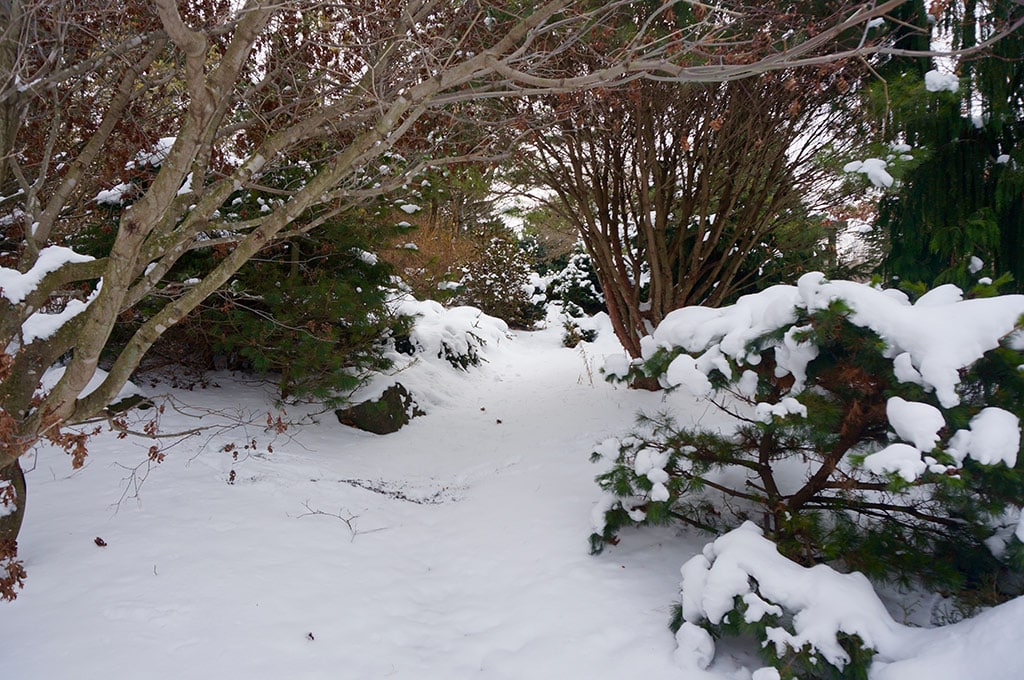
Summer overloads the senses, but winter boils a garden down to its essential forms. As I crunched through the snow down a path that led into an arborvitae maze, I gained more appreciation for the variation of color and texture around me.
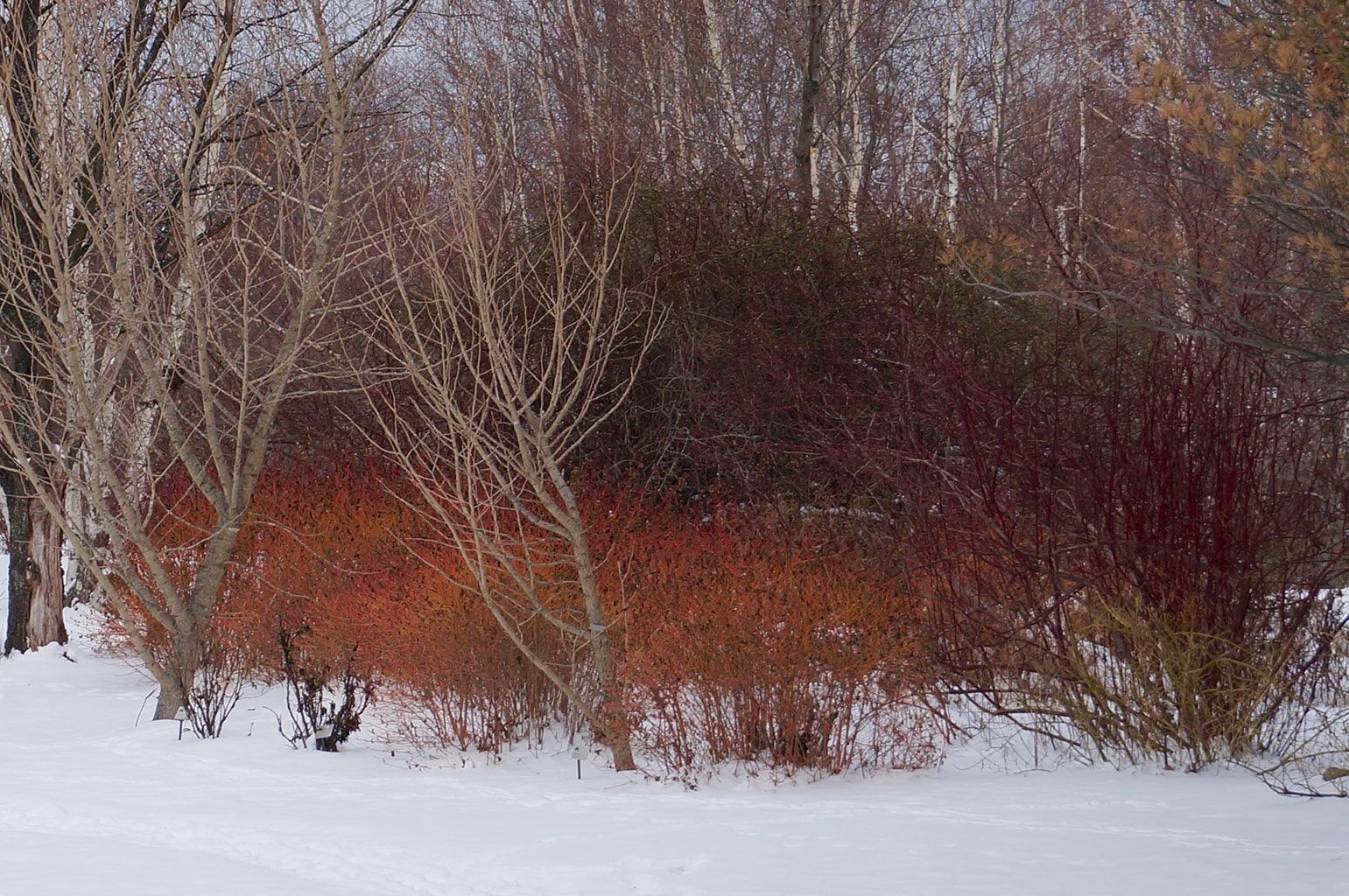
Winter colors aren’t always that subtle either. This photo was taken from inside the maze. How is this for a wow?
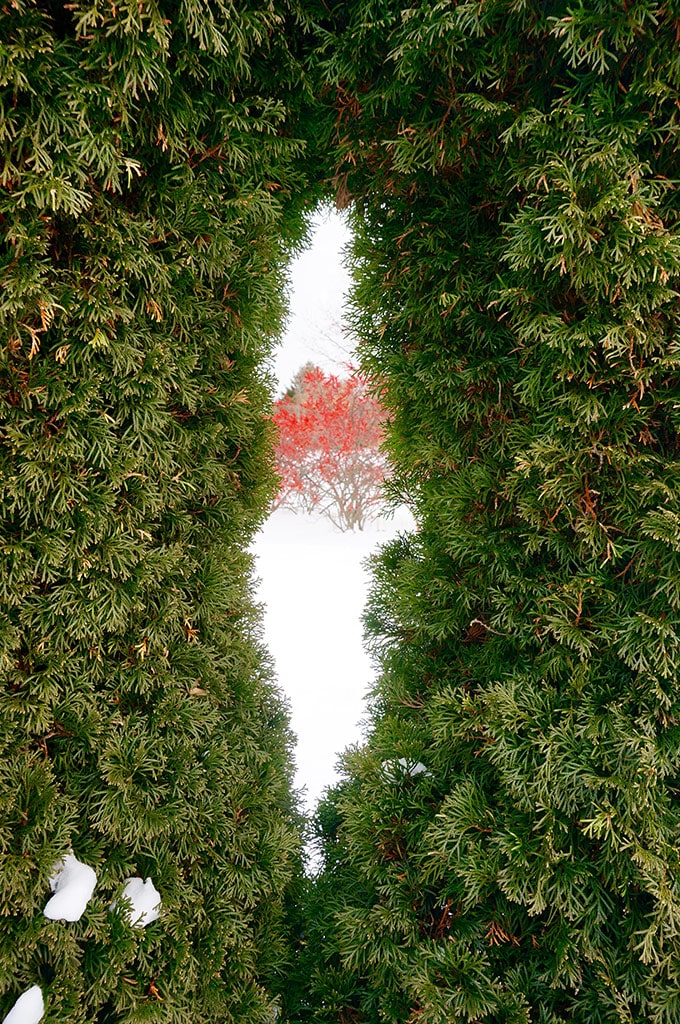
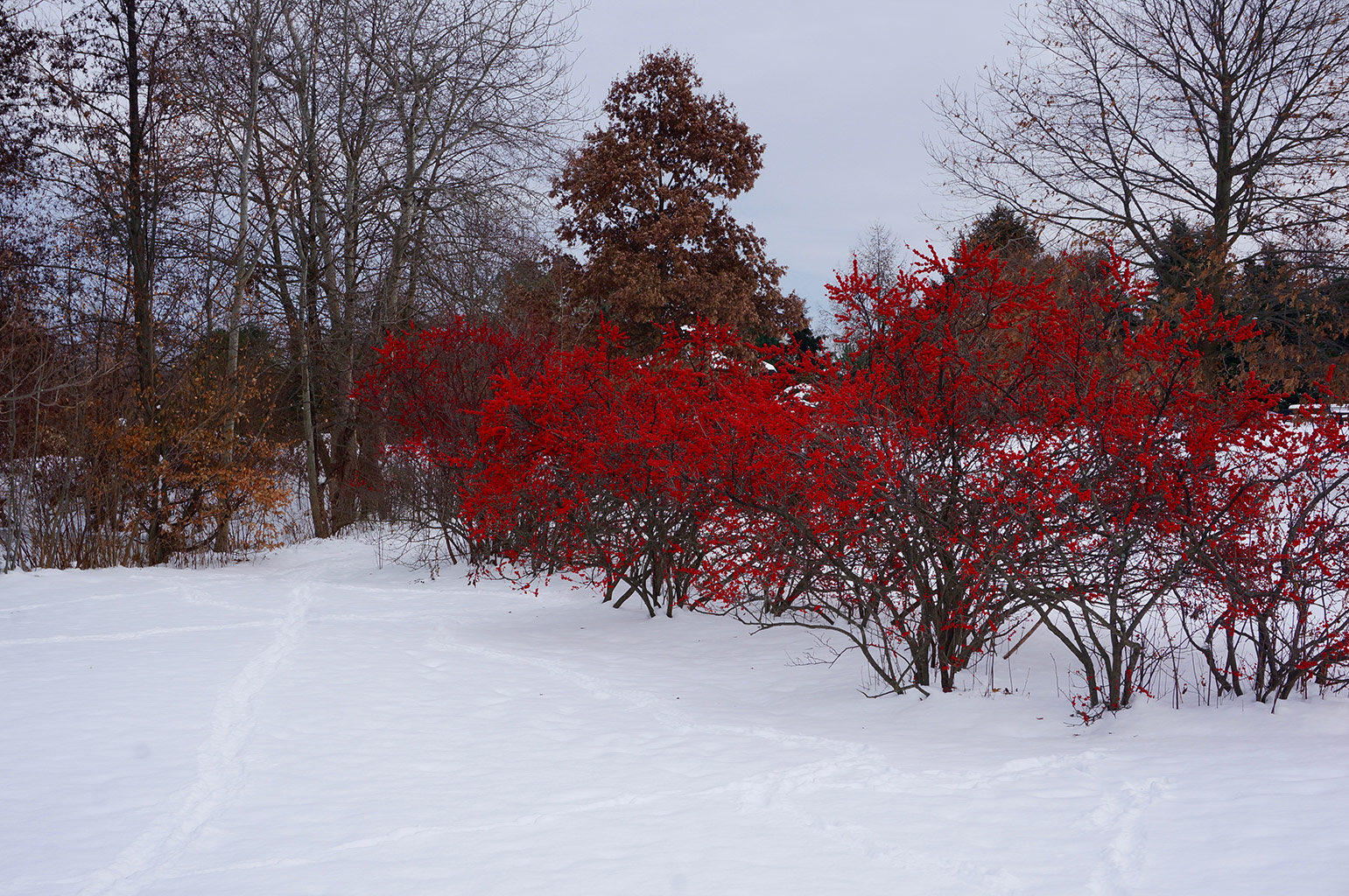
Winterberry (Ilex verticillata) is an unsung beauty that doesn’t look very exciting until winter hits. Outrageous berries and I managed to get here before the birds ate them all.
Bark comes to the forefront once trees and shrubs lose their leaves. This not so subtle stand of red twig dogwood (Cornus sericea ‘Midwinter Fire’) is appropriately named. It lights up this corner and emphasizes the forms of the white birch (Betula papyrifera) and kousa dogwood (Cornus kousa)that emerge from it.
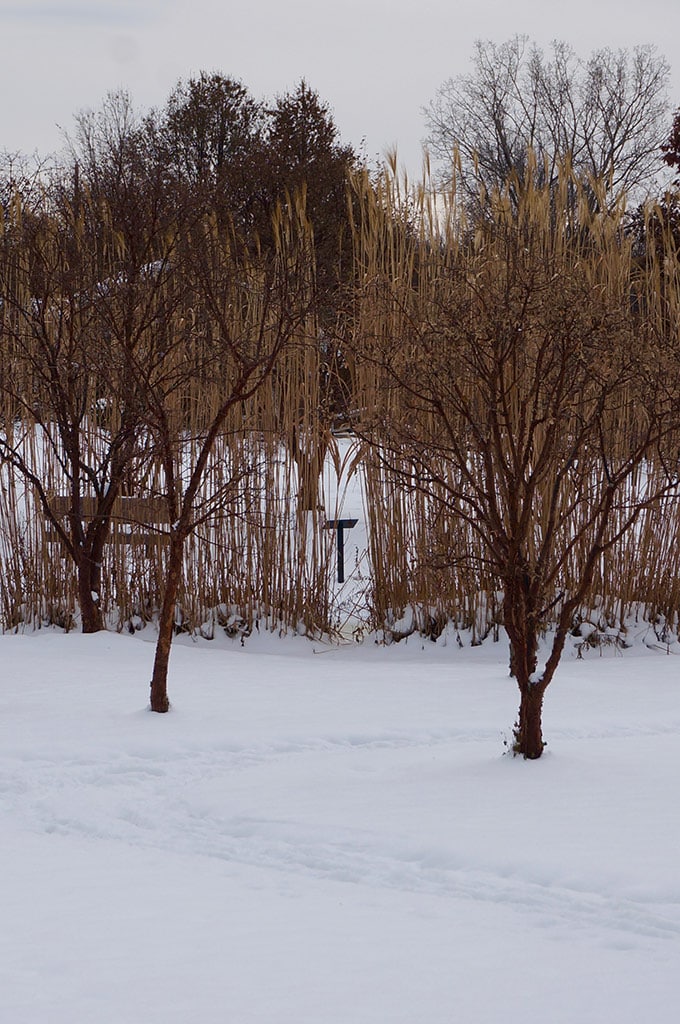
The wealth of color, shape and texture in this arboretum almost made me forget how cold I was. Here, a group of paperbark maples (Acer griceum) stands against a vertical curtain of giant reed grass (Arundo donax). I wish the sun had been shining through it! It’s subtle and bold at the same time – who knew there were so many shades of brown? It’s a terrific composition I’d like to copy. Ditto for the one above.
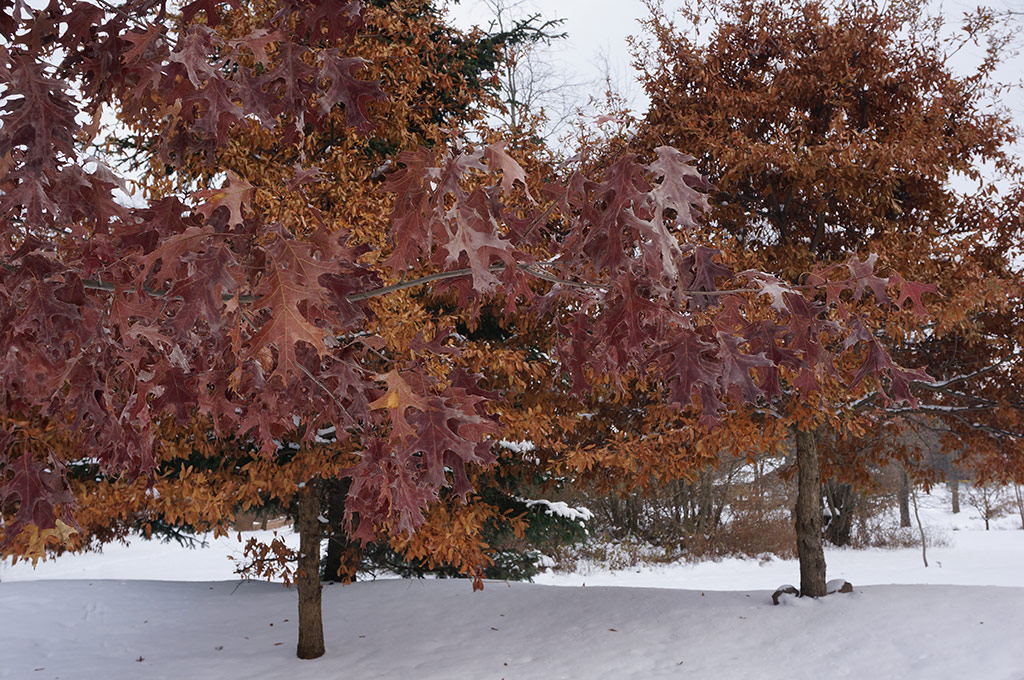
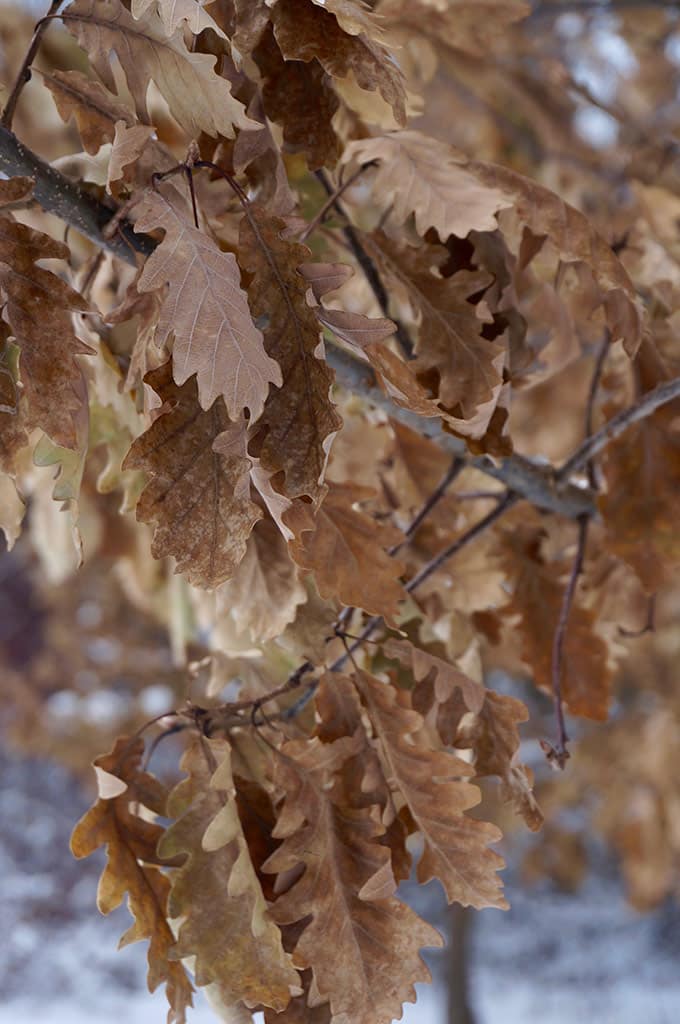
I was drawn to this group of scarlet oaks (Quercus coccina) with the leaves still clinging to their branches. The color contrast between the two, scarlet oak (Quercus coccina) and white oak(Quercus Alba) was an unexpected treat.
This columnar english oak (Quercus robur) has an elegant presence I admire, but in winter the shape is even more stunning.
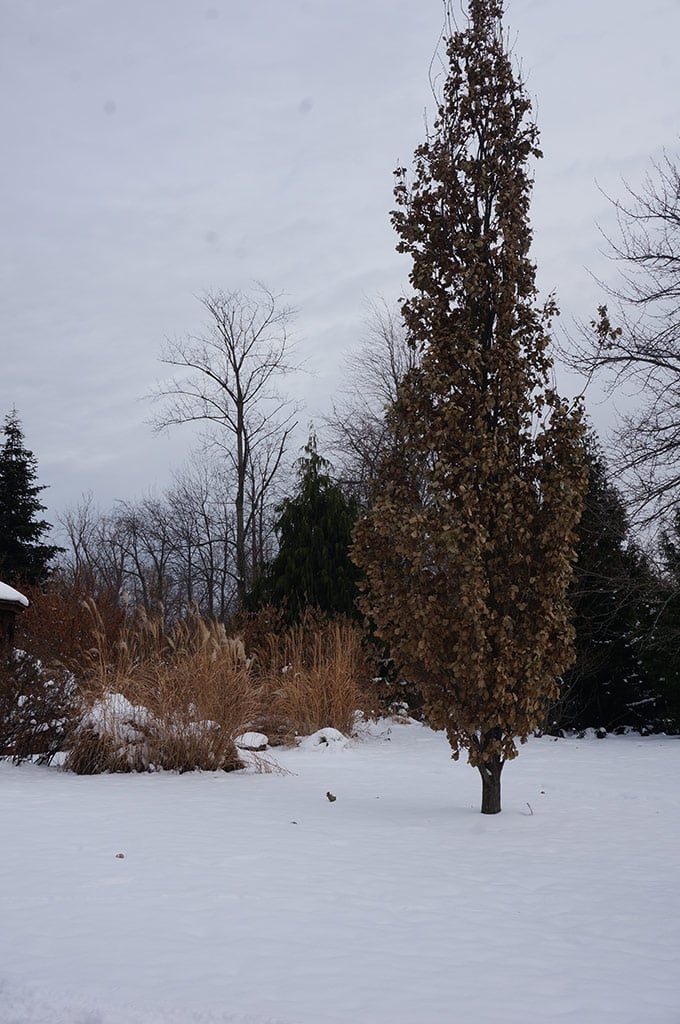
And so are the small serrated leaves that contrast crisply against the snow.
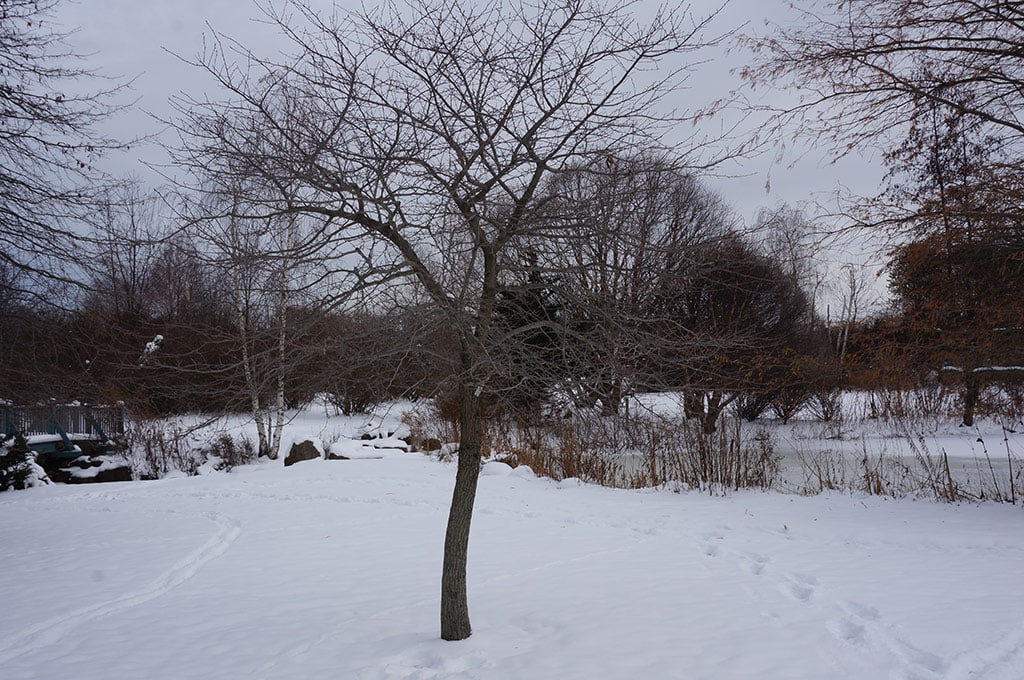
The black tupelo, Nyssa sylvatica is a knockout in fall with fiery orange-red leaves. It’s just as good without foliage, now I can see the handsome shape and graceful branching habit.
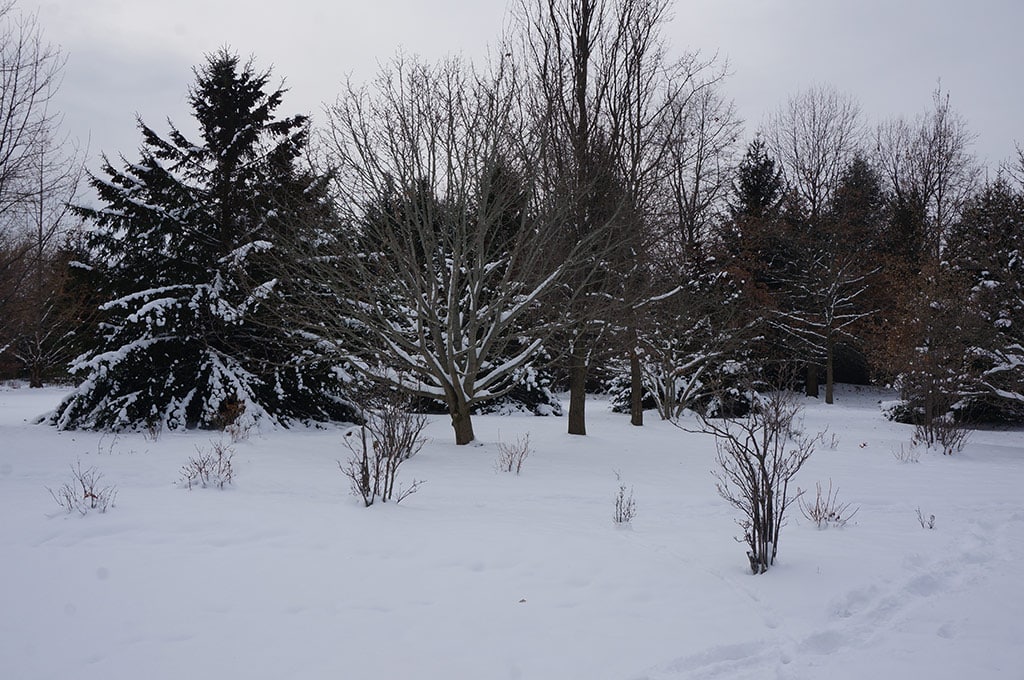
In the summer, I didn’t pay much attention to this line of white spruce (Picea glauca) that delineates one of the boundaries of the arboretum. Now I notice how important a role it plays in the winter, bringing your attention to the trees and shrubs planted in front of it.
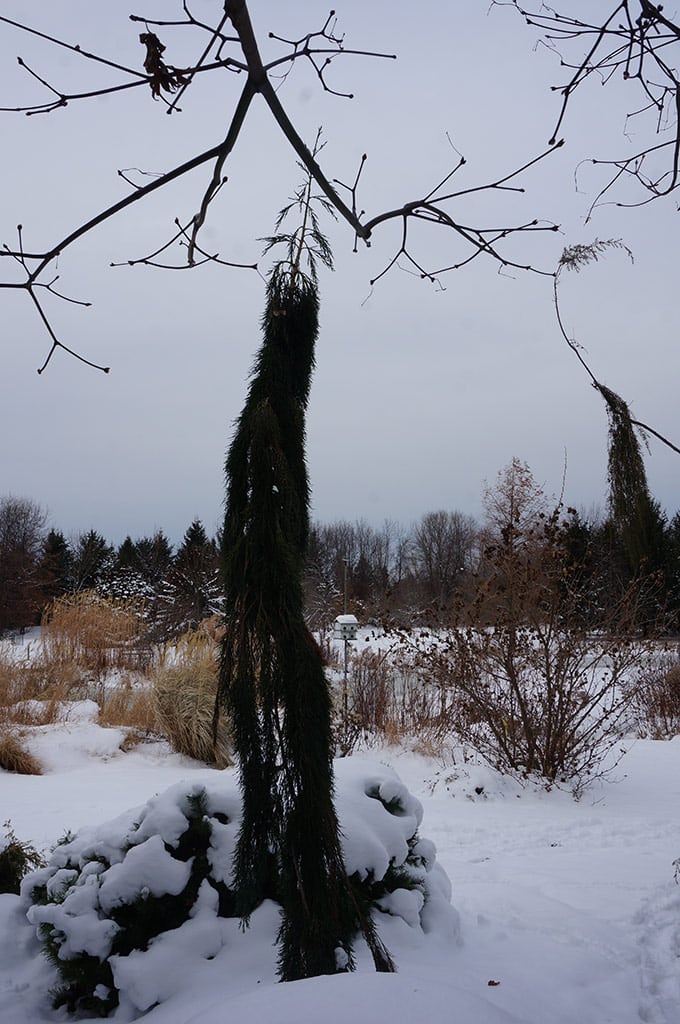
I appreciate conifers more in the winter when I can focus on them without distraction. This weeping spruce (‘Picea glauca’ Pendula) looks pretty darn dramatic against the wintry sky.
This conifer garden is one of my favorite areas to walk through. In winter it’s quite sculptural, revealing shapes and textures I hadn’t noticed in summer.
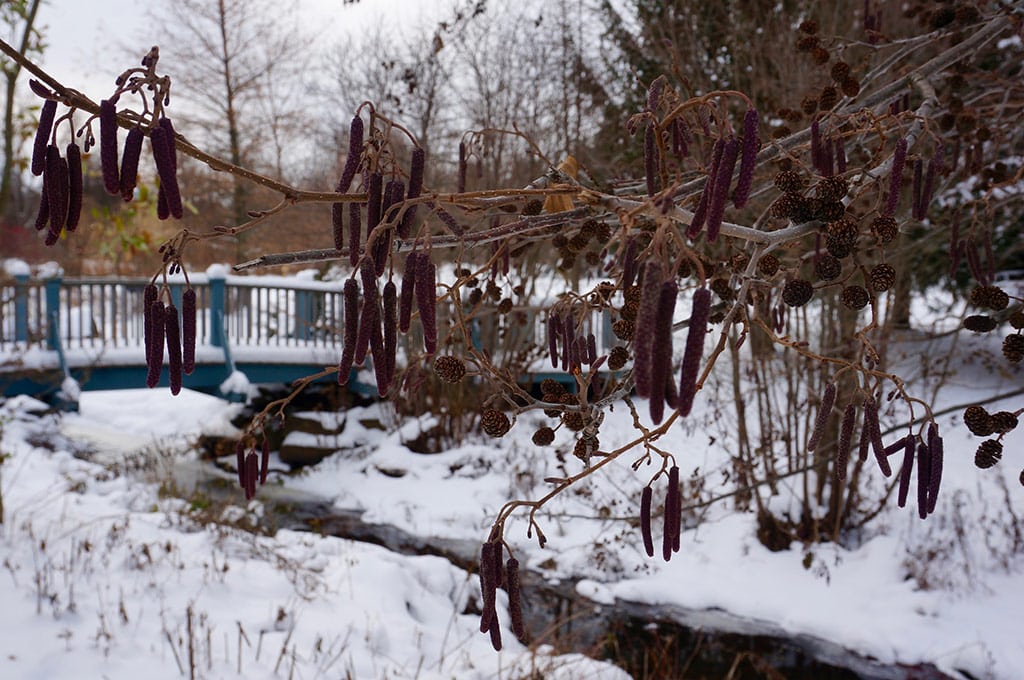
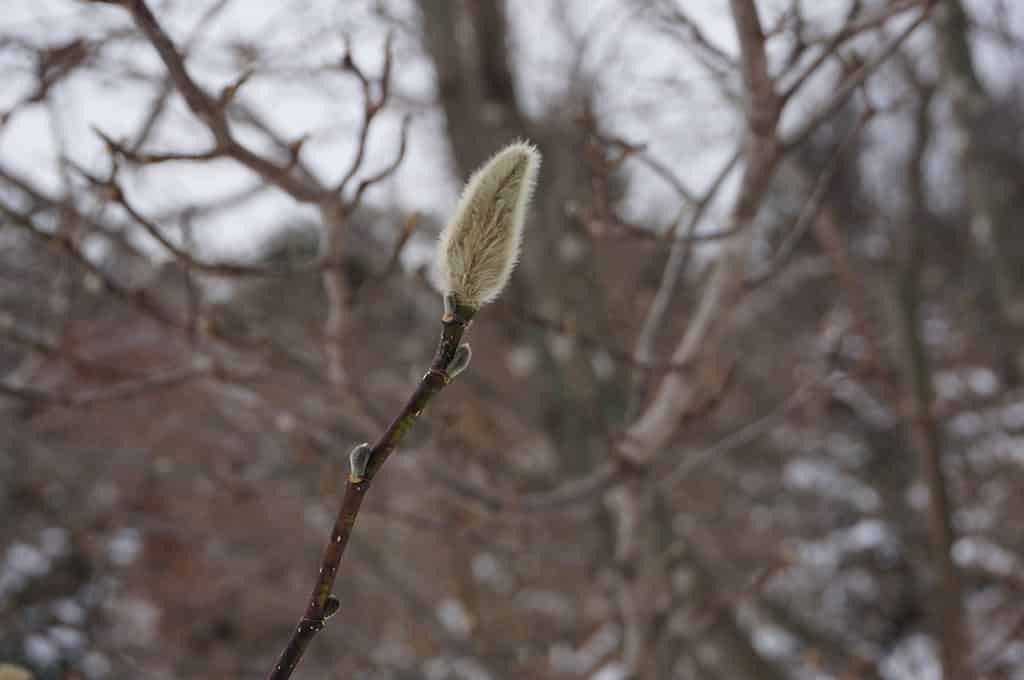
We may not have flowers and abundant foliage now, but in winter, the smallest things – catkins,cones and buds light up the garden.
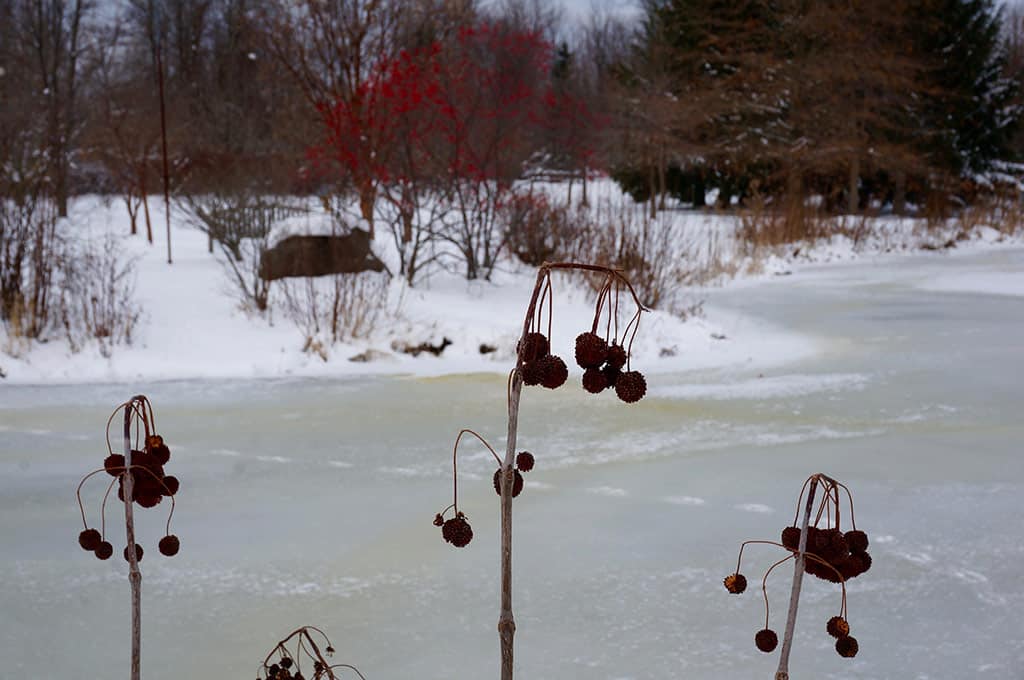
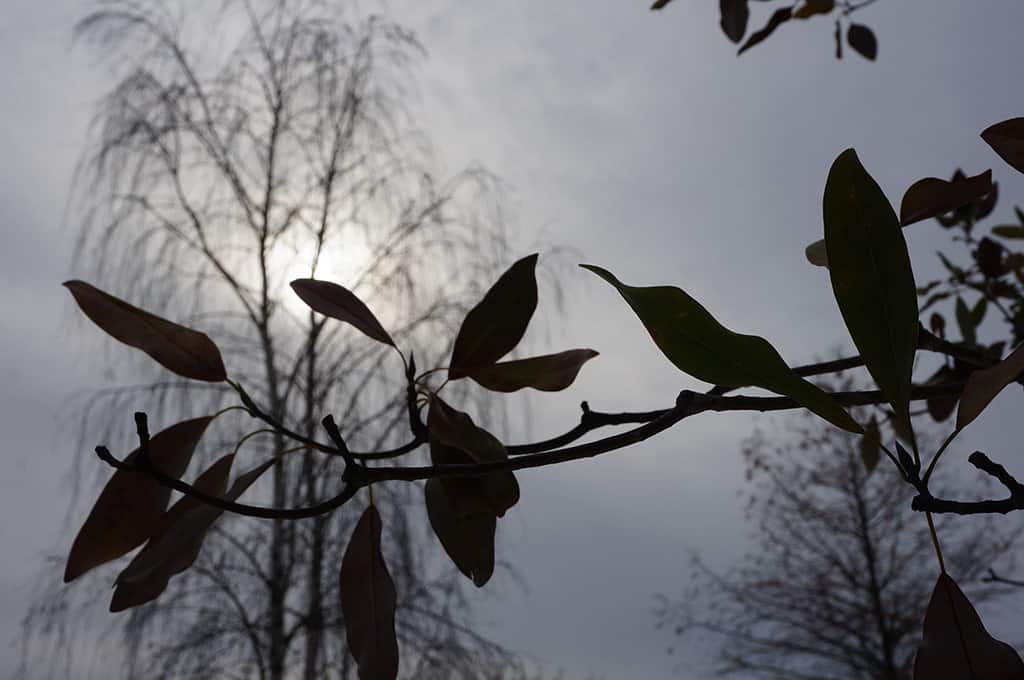
Winter landscapes reveal the bones of a garden – the mainstay of good design. You can see that less is more no matter where you walk. If you don’t have an arboretum or park nearby, a trek through the woods has plenty to offer.
My New Years resolution – why wait until I’m having a melt down? Sign me up for more winter walks!
http://gardeningwithwhatyouhave.com/welcome-to-gardening-with-what-you-have