Proper pruning is one of the most important — and most misunderstood — aspects of landscape care. At Broccolo Lawn & Landscape, we use clear, specific pruning terminology to ensure every shrub and ornamental plant is cared for with intention, precision, and long-term plant health in mind.
Our crews are trained using detailed pruning standards developed through years of horticultural expertise. What follows is a homeowner-friendly overview of the types of shrub pruning services we offer, so you can better understand what your landscape needs and why professional pruning matters.
Correct pruning:
Not all pruning is the same — and choosing the wrong method at the wrong time can permanently damage a plant. That’s why Broccolo approaches pruning as both a science and an art.
Clearance pruning removes plant material that interferes with structures or access points such as:
This type of pruning improves safety, prevents structural damage, and maintains clean lines around your home.
Uplift pruning involves removing lower branches of shrubs to:
This technique is commonly used for foundation plantings and layered landscape designs.
Thinning focuses on selective removal of:
Thinning increases airflow and light penetration, which reduces disease risk and encourages healthier, more balanced growth.
Reduction pruning decreases the height and/or width of a shrub or tree while maintaining its natural form.
Excessive reduction can compromise plant health, which is why Broccolo follows species-specific guidelines.
This is hand pruning used to:
Shaping preserves the plant’s character while keeping it visually balanced and attractive.
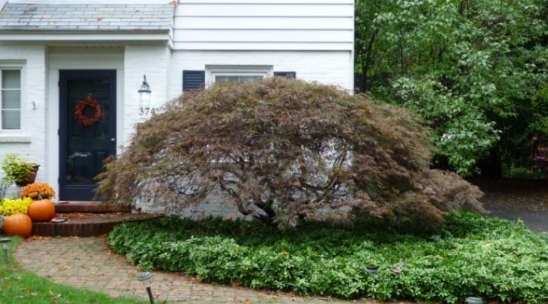
Natural pruning creates a loose, organic form by making deeper, selective cuts. This method allows deciduous shrubs such as:
to display their best natural habit, seasonal movement, and flowering potential.
Shearing produces a tight, geometric appearance and is typically used in formal landscapes. However, it requires frequent maintenance and can create:
Plants that tolerate shearing well:
Plants that should only be sheared with specific instruction:
Important note: Plants that are repeatedly sheared should be thinned by hand periodically to reduce pest and disease issues.
Renovation pruning rejuvenates older or overgrown shrubs by removing ⅓–½ of the oldest wood to stimulate new growth.
Because plant response varies by species and site conditions, renovation pruning is carefully evaluated by our team before proceeding.
Deadheading is the removal of spent flowers from flowering shrubs. While it is not necessary for plant health, it may be desired for aesthetic reasons.
Because this service is labor-intensive, it must be clearly specified in the service contract.
by removing ⅓–½ of the oldest wood to stimulate new growth.
Because plant response varies by species and site conditions, renovation pruning is carefully evaluated by our team before proceeding.
Specialty pruning requires advanced training and artistic skill. These techniques include:
These styles should never be attempted without professional training, as improper cuts can permanently damage plants.
Every cut we make is intentional. At Broccolo Lawn & Landscape, pruning is never “one-size-fits-all” — it’s guided by plant biology, design goals, and long-term sustainability. If you’re unsure what type of pruning your shrubs need, our team is happy to help.👉 Contact Broccolo Lawn & Landscape to schedule a consultation and ensure your landscape is pruned the right way, at the right time.