


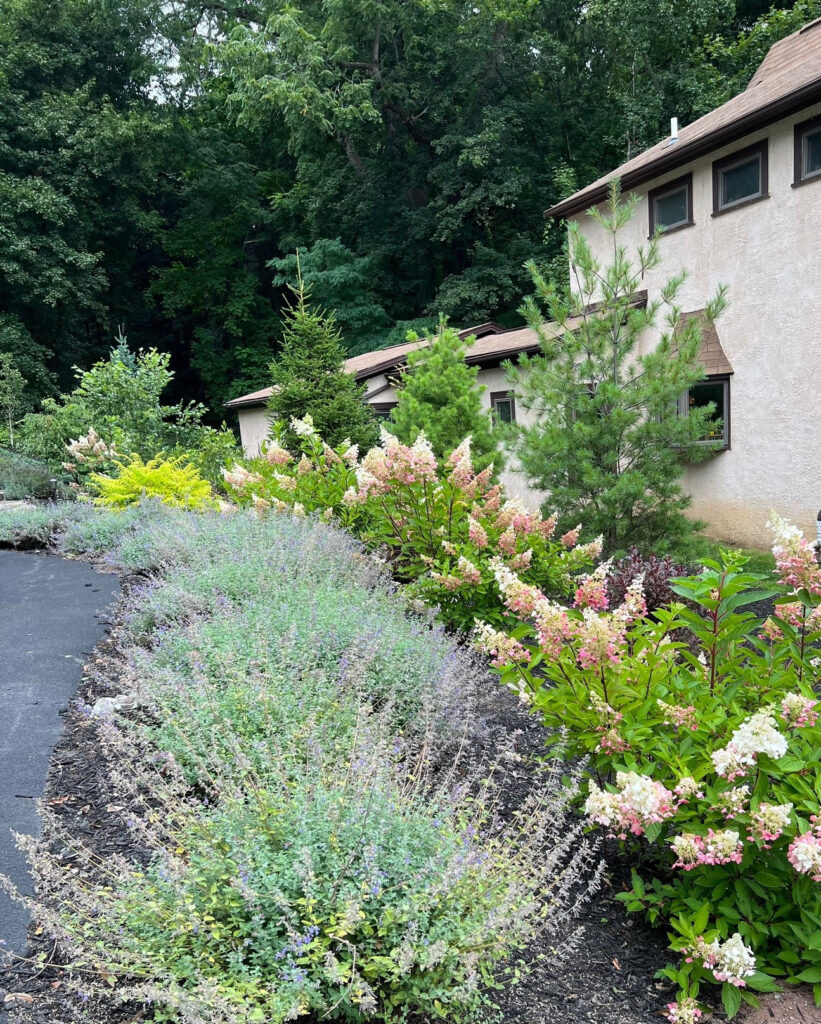
Plantings are important to stagger textures, heights, colors, and bloom times. You can even see the bright burst of color with the neon lime colored sumac. This particular garden is very low maintenance as everything fits together at its ideal height and requires almost no pruning.
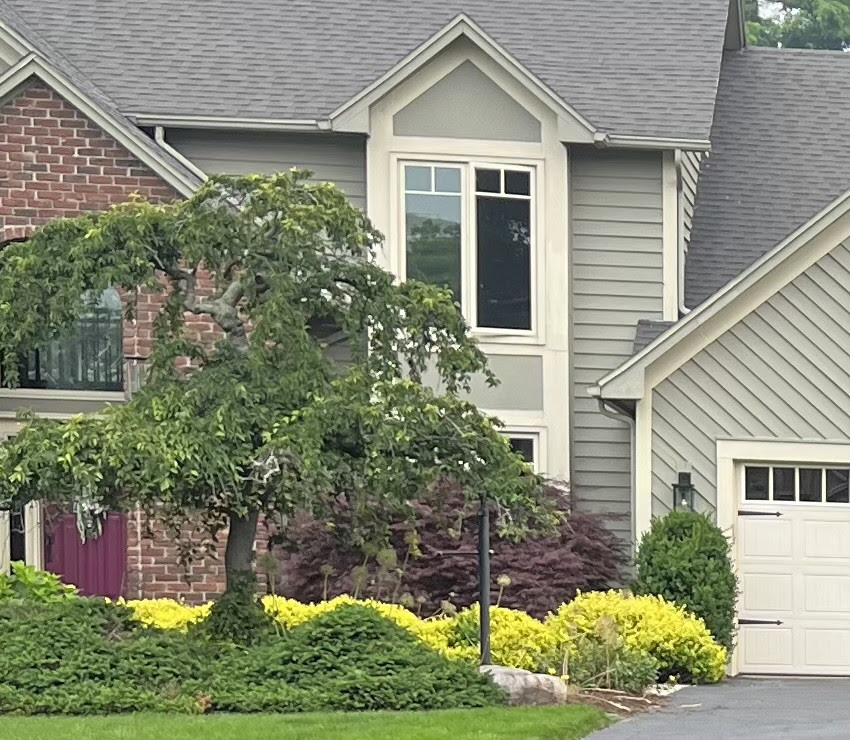
A traditional planting pruned “The Broccolo Way”: keeping the plants natural shape while maintaining the plant material light and fluffy. This planting is an example of hand pruning rather than shearing.
Want Broccolo to help design or maintain your gardens?
585.424.4476
Request Estimate
So many classes coming up this year! Check out our site and find some that you want to sign up for.
This week is a birdhouse with a living roof! Many more to choose from.
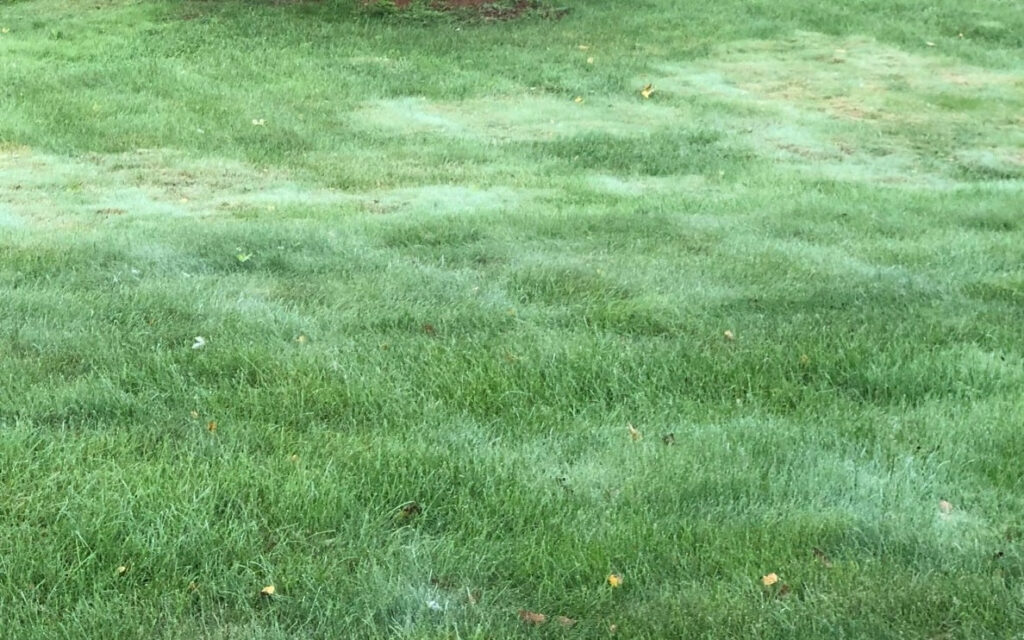
Bentgrass is the type of grass commonly used on putting greens because it grows sideways and can tolerate the extremely short cutting required for a putting surface. The challenge is that it has moved into our lawns, which are typically made up of Ryegrass, Fescue, and Kentucky Bluegrass.
Mixing this sideways-growing grass with our typical lawn grasses does not blend well. It creates patches of creeping grass that die back early and do not have the same care requirements as our “better” lawn grasses.
What should you do? Treat the affected areas with a grass killer, then add soil and reseed. In some cases, nearly complete lawn replacement may be necessary. If you see it returning, remove it immediately before it spreads.
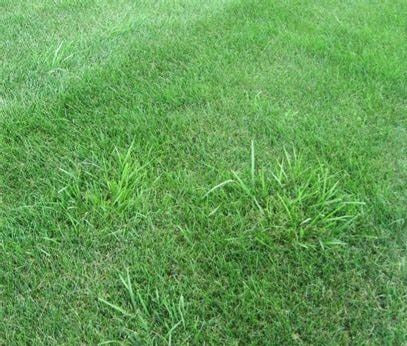
Many customer service calls we receive are cases of mistaken identity. Crabgrass is an annual grass, meaning it reseeds itself every year. The earliest we typically see crabgrass in our area is at the end of June.
If you are seeing what you think is crabgrass now, it is most likely a variety of fescue called Tall Fescue. Tall fescue grows in thick bunches within lawns. Because it is a variety of fescue, the typical herbicide treatments included in lawn care programs do not control this dense grass type.
Options for removal include digging the patches out and reseeding or treating the area with a grass killer and then adding soil and seed.
Need a Lawn Care Quote?
Click here
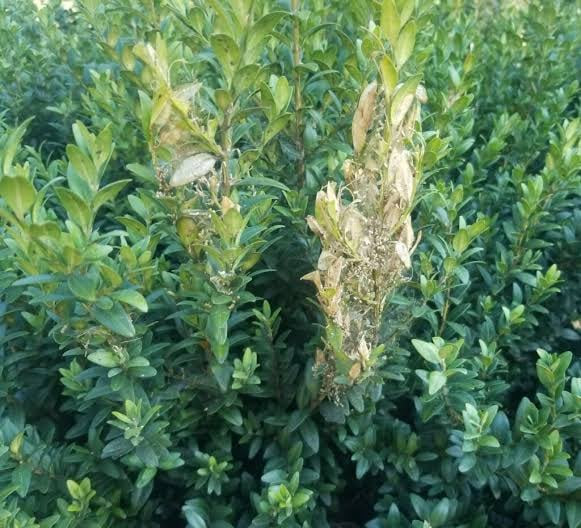
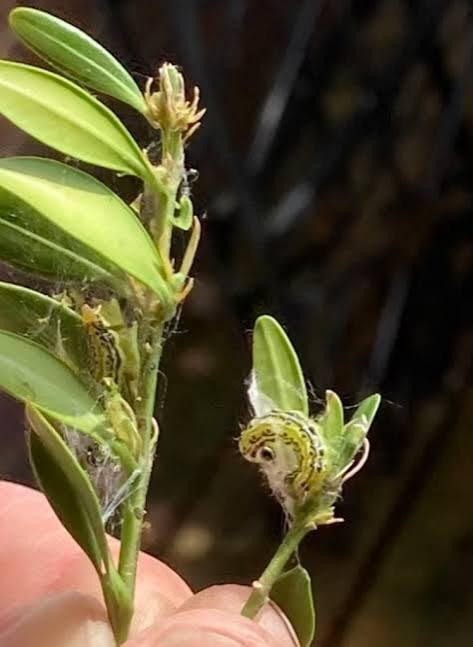
Boxwood tree moth is an invasive pest that can significantly damage and potentially kill boxwood plants if left untreated. The caterpillars are aggressive feeders, and heavy infestations can completely defoliate host plants. We are quickly approaching the first treatment window, another being later in the summer. So, the question is, to treat or not to treat? We can help you decide if replacement might be the best option, in which case we are planting Native Ilex Glabra which has a similar growth habit and appearance but not susceptible to the boxwood insects.
Login to your account and click refer,
We will add $25 to your account when they sign up!
Refer
KEEP UP WITH US