
Broccolo logo featuring a ladybug on the letter "o" and a green leaf background, symbolizing horticulture and landscaping services.

Save the Birds
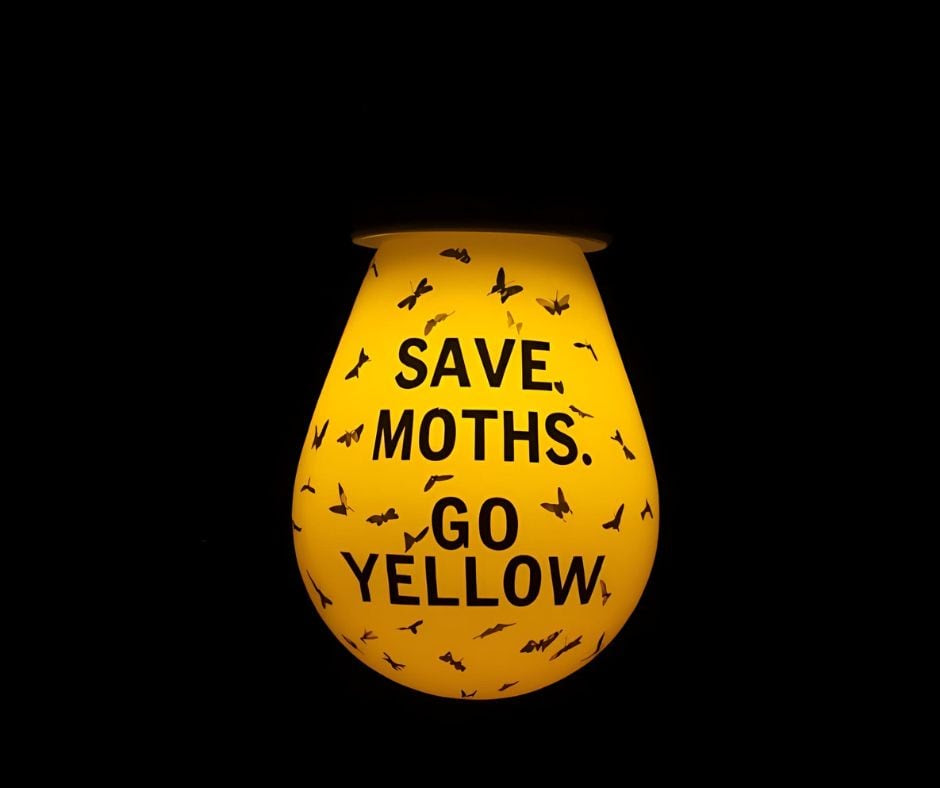
Save the Moths

Group of four women attending Doug Tallamy's presentation on ecological practices to support local wildlife, smiling in a seated arrangement.

Have you heard of Doug Tallamy?
If not, you should. We (Jessica, Martha, Laurie, Lauren) attended his sold out presentation last week to learn more about how we and you can Save the Birds. How? By saving the Moths.

What is a simple, cost saving and lifesaving home improvement you can do?
Change your outdoor light to LED yellow bulbs to save the moths which also feed the next generation of birds.

Illustration of a layered leaf mulch habitat, featuring various insects, a salamander, and a snake, with gardening tools and bags in the background, emphasizing ecological practices for supporting local wildlife.

What is the most important & easiest landscape practice you can do with a zero budget?
Leave the Leaves! Blow your lawn leaves into the garden.

How Much?
Just a 6-inch layer of nature’s leaf mulch provides insulation for your perennial plant roots, adds nutrients to the soil and provides a habitat for beneficial insects.

Orange and black fuzzy caterpillar on textured surface, representing a moth's life cycle and importance as a food source for birds, aligned with ecological landscaping practices.
Yellow Wooly Bear
Yellow Wooly Bear caterpillar on a green leaf, illustrating the importance of moths as a food source for local birds.
Tiger Tussock Moth
Yellow and black striped caterpillar on green leaf, illustrating moth life cycle and importance as bird food source in ecological landscaping.
Pearly Wood Nymph
Why?
The caterpillars of moths are a very important protein food source.
 
How many are needed?
A chickadee needs at least 400-500 per day which is a minimum of 6000 caterpillars.
 
Where do they find them?
In leaf mulch, in soil, on stems and barks of plants.
The Moths and caterpillars mimic leaf and twig color. Picture an inchworm and how they blend into their environment. Birds know where to look. Start looking to see their beauty.
Moth with distinctive white and brown markings resting on gravel, illustrating the beauty of local moth species important for biodiversity and bird food sources.
Vallada Moth
Orange and brown moth resting on a green surface, illustrating the beauty of local moths and their role in supporting biodiversity.
Mint Moth
Mournful Sphinx Moth blending into a surface, resembling a dried leaf, illustrating the importance of moths as a food source for birds in ecological landscaping.
Mournful Sphinx Moth

How come I never see moths?
Most are nocturnal! Take a look at some of the beautiful moths our staff found in the garden center and in landscapes.


Join the Movement and create your own Homegrown National Park.
We are on the map and you can be too.

HNP – Homegrown National Park – Regenerate Biodiversity
 
Just add host plants such as oaks, birch, maples and aspens trees
 
WE can help you design with beautiful shrubby host plants such as native hydrangea, diervilla, blueberry, buttonbush, small willow shrubs and many more
 
There are some showy colorful long blooming, deer resistant perennials such as achillea (yarrow) and coreopsis. Now is the best time to plant.
 
It’s All About the Bugs! Download our E-book to Transition Lawns to Meadows
Broccolo Lawn and Landscape guide cover featuring the title "Backyard Meadows and Yards" with a floral background, emphasizing ecological landscaping and biodiversity.

Related Posts