By Brandon | News, Newsletters | Comments Off
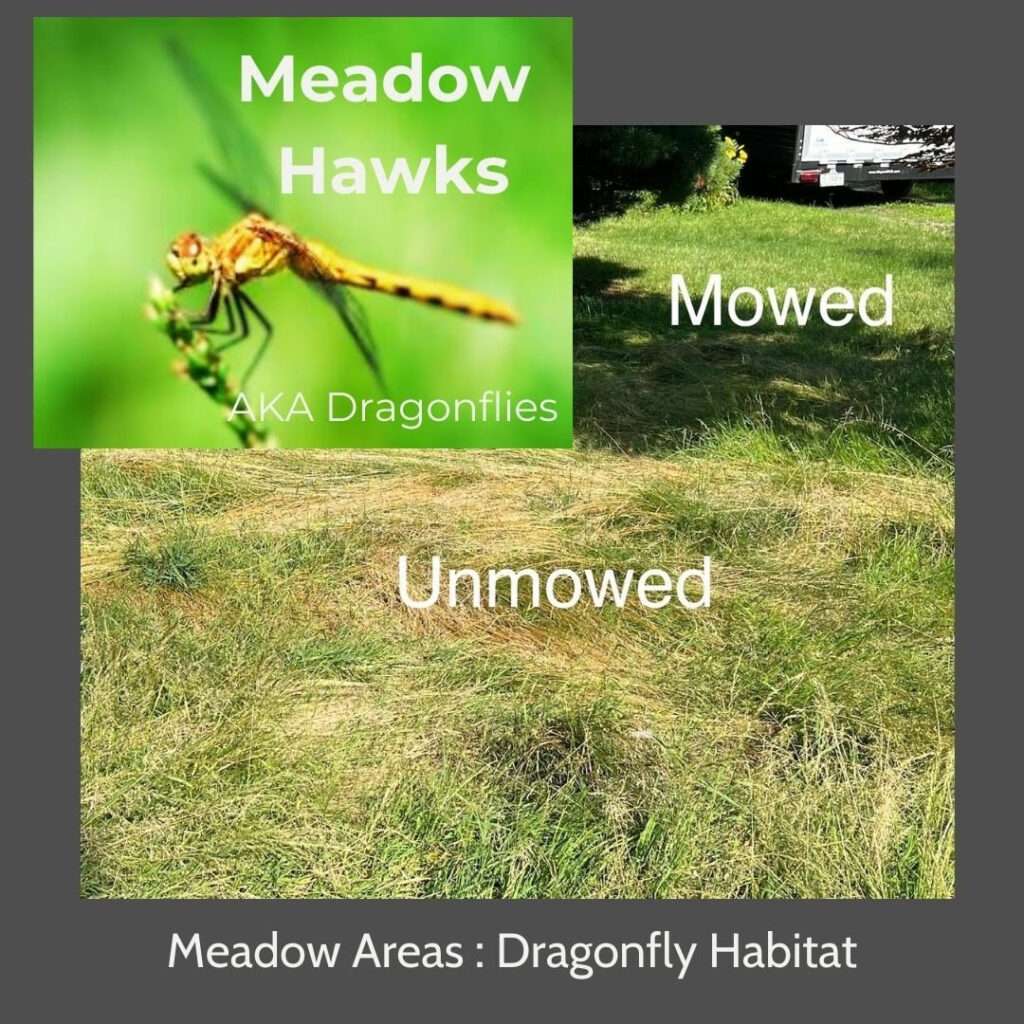
Testimonial to the Meadow Hawks aka Dragonflies, who voraciously eat thousands of mosquitoes daily. They also dine on deer flies and horse flies. Want to attract them? Just stop mowing a portion of the lawn and they will perch in sunny tall grasses. If there are wet areas in the yard, they will lay eggs and devour mosquito larvae before they hatch.
Sometimes they will land on you like a butterfly and it’s an unexpected pleasure to watch.
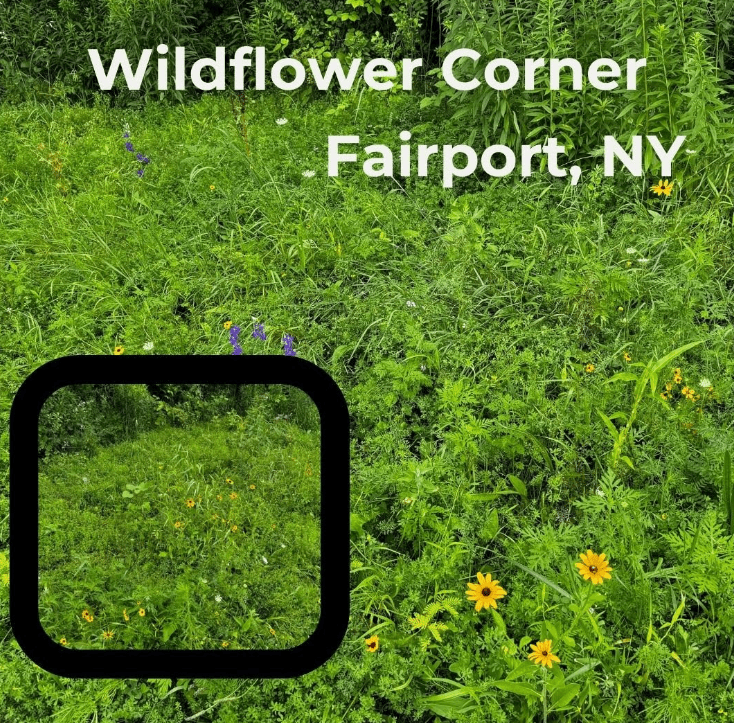
Featured Project:
Broccolo Installed a wildflower corner in a hard to mow and underutilized area of this customers property. The client loves the end result and so do the bees, birds and insects.
Retraction:
Thank you to our client in Pittsford for pointing this error out.
Last week’s newsletter had promoted Hypericum as a native.
Hypericum is not native.
Native Americans used St. John’s Wort for medicinal purposes. It is native to Europe and was introduced here but it is not native. We pride ourselves on focusing on natives and wanted to clarify that we were wrong on this particular plant and will continue to research native options for our clients.
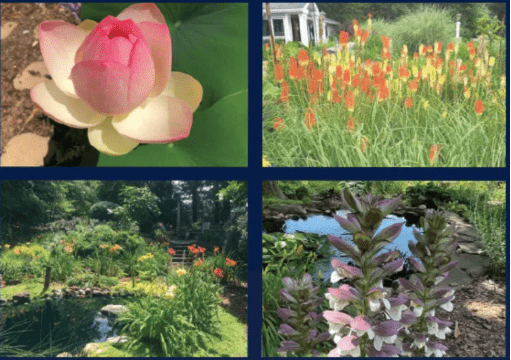
More Information: bushnellsbasinpittsfordkiwanis.org
At Broccolo Lawn and Landscape, we prioritize the importance of native plants in our landscaping practices. Native plants not only thrive in local conditions but also support the local ecosystem, attracting beneficial wildlife like dragonflies and pollinators. By choosing native species, we help create a sustainable environment that benefits both our clients and the broader community.
Our commitment to educating clients about the advantages of native plants is reflected in our services and community initiatives. For instance, we regularly host workshops and events that highlight the role of native flora in promoting biodiversity. By fostering a deeper understanding of these plants, we empower our clients to make informed decisions that contribute to environmental stewardship.
Dragonflies are not just beautiful insects; they play a crucial role in maintaining the ecological balance of your garden. As natural predators of mosquitoes and other pests, dragonflies can significantly reduce the need for chemical pest control methods. By attracting these beneficial insects to your landscape, you can enjoy a healthier and more vibrant garden.
To attract dragonflies, consider incorporating water features, such as ponds or birdbaths, as they require water for reproduction. Additionally, planting native grasses and flowers around these areas provides shelter and food for dragonflies, enhancing your garden's biodiversity while reducing mosquito populations.
Broccolo Lawn and Landscape is dedicated to engaging with the community through various events and workshops. These gatherings provide opportunities for residents to learn about sustainable landscaping practices, the benefits of native plants, and how to create wildlife-friendly gardens. Our next event, the Kiwanis Garden Tour, will showcase extraordinary gardens in the area, offering inspiration and practical tips for attendees.
Participating in community events not only enriches our local environment but also fosters connections among gardening enthusiasts. We encourage everyone to join us and share their experiences, as we believe that collaboration leads to more sustainable practices and a vibrant community focused on environmental health.
One of our proudest achievements is the installation of the Wildflower Corner, a project designed to promote native flora and provide habitat for local wildlife. This space showcases a variety of native wildflowers, creating a visually stunning landscape that supports pollinators and other beneficial insects. The Wildflower Corner serves as a living example of how native plants can enhance both beauty and ecological health.
Visitors to the Wildflower Corner can observe firsthand the impact of native plants on the surrounding environment. By integrating educational signage and hosting guided tours, we aim to inspire others to incorporate native plants into their own landscapes, furthering our mission of promoting sustainable gardening practices in the community.