Expert Lawn Care Tips from Brandon
Brandon shares his extensive knowledge on lawn care, providing readers with practical advice to enhance their outdoor spaces. His articles cover a wide range of topics, from seasonal maintenance to sustainable gardening practices.
For instance, Brandon emphasizes the importance of soil health and offers tips on how to test and amend your soil for optimal grass growth. He also discusses the benefits of using organic fertilizers and environmentally friendly pest control methods that are safe for families and pets.
Environmental Initiatives and Community Engagement
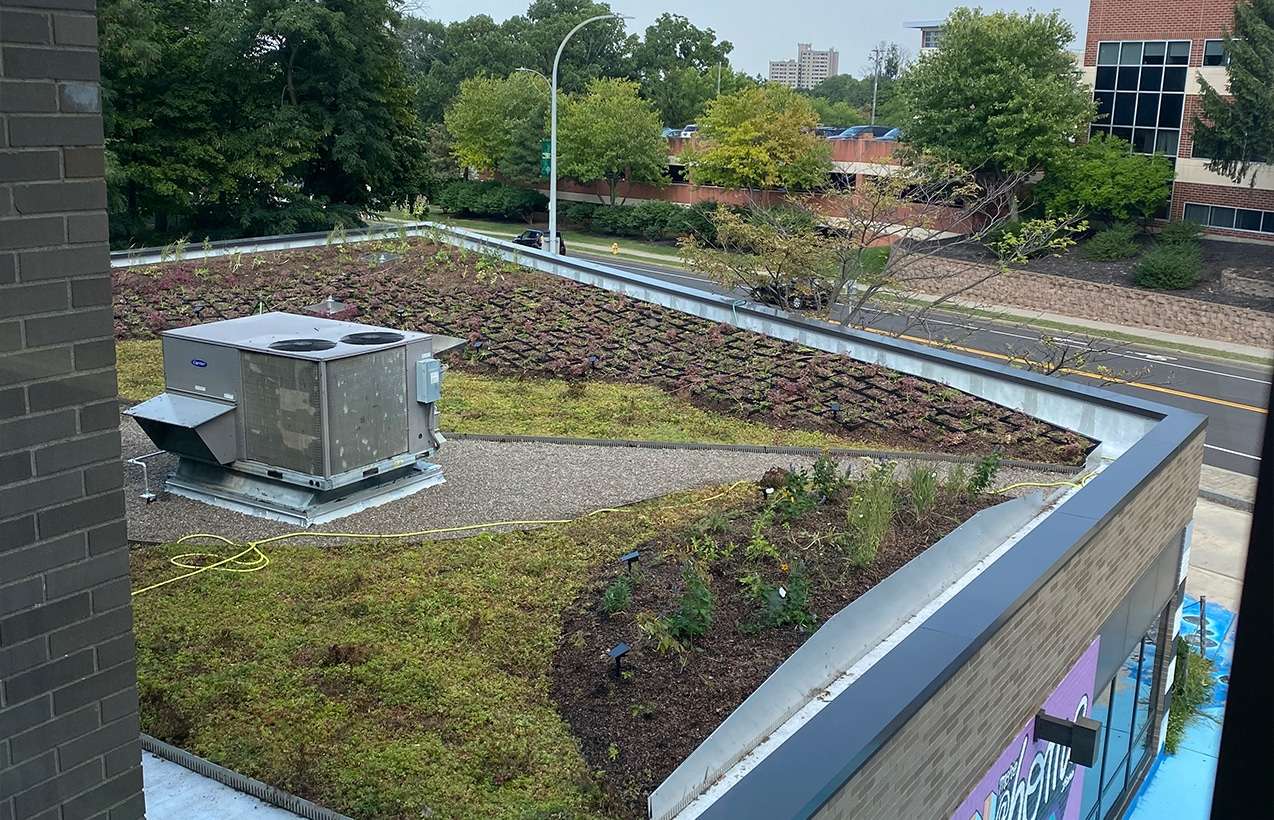
Broccolo Lawn and Landscape is committed to environmental stewardship and actively engages with the community to promote sustainable practices. This section highlights the company's efforts to educate the public on eco-friendly landscaping solutions.
Through workshops and partnerships with local organizations, Broccolo aims to raise awareness about the importance of biodiversity and native plants in landscaping. These initiatives not only enhance the local ecosystem but also foster a sense of community responsibility towards environmental conservation.
Seasonal Lawn Maintenance Guidelines
Understanding the seasonal needs of your lawn is crucial for maintaining its health and appearance. This section provides readers with a comprehensive guide on how to care for their lawns throughout the year.
Brandon outlines specific tasks for each season, such as aeration in the spring, fertilization in the summer, and overseeding in the fall. By following these guidelines, homeowners can ensure their lawns remain lush and vibrant, while also preventing common issues like pests and diseases.
Benefits of Native Plants in Landscaping
Incorporating native plants into your garden offers numerous benefits, from enhancing biodiversity to reducing maintenance requirements. This section delves into why native plants are a smart choice for any landscaping project.
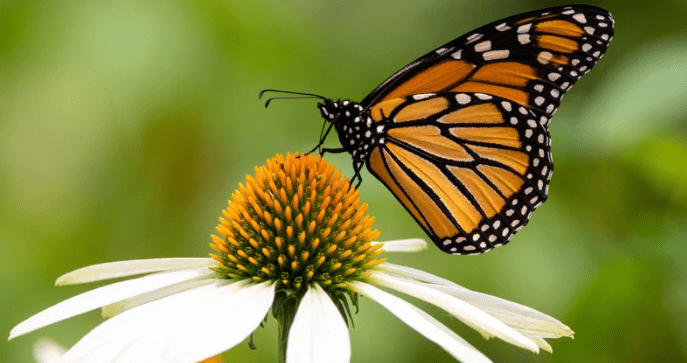
Brandon explains how native plants are better adapted to local soil and climate conditions, making them more resilient and less reliant on water and fertilizers. Additionally, they provide essential habitats for local wildlife, promoting a balanced ecosystem in your garden.