
A transition from lawn to park in less than 1 year.
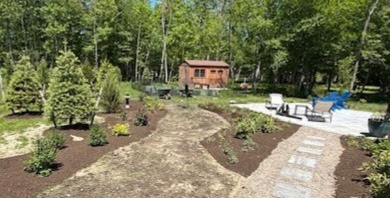
Avid birder and NYS Naturalist, Carmen Gumina is a professional photographer and is on a mission to create a wildlife habitat at his new suburban home. His home is in a new subdivision landscape with open lawns that is bordered by a deciduous forest.
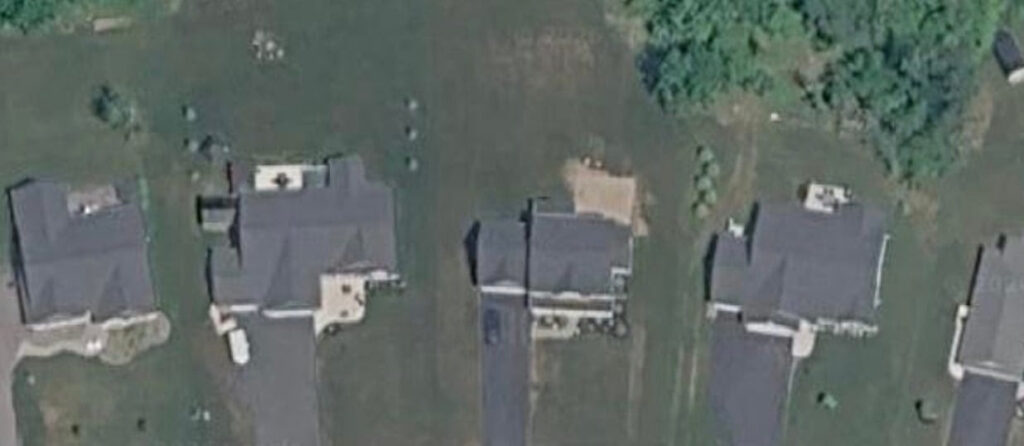
He installed many bird feeding stations, but activity was minimal until the evergreens were planted. Then the property was buzzing with birds feeding at the stations and finding comfort in the shelter of the evergreen trees. In addition, Carm installed edible gardens for a summer and fall harvest to share with friends and family.
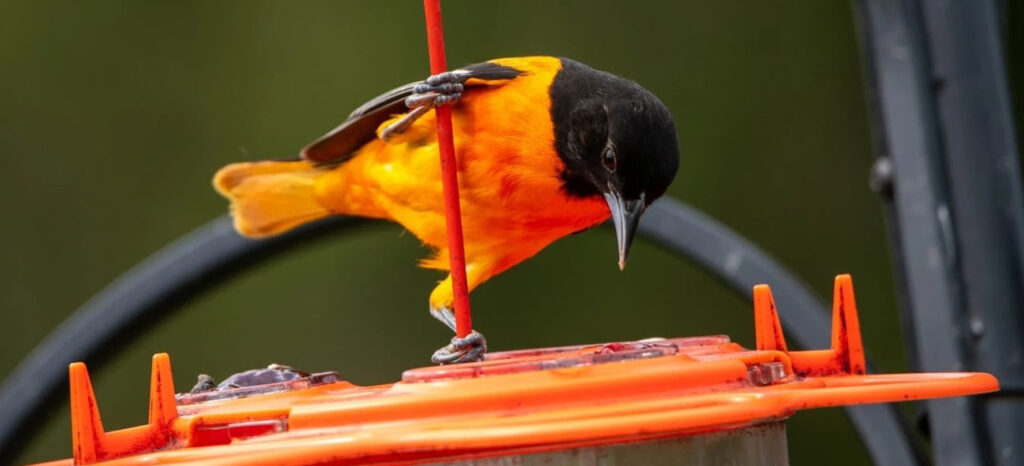
Photos by: CFG Photography
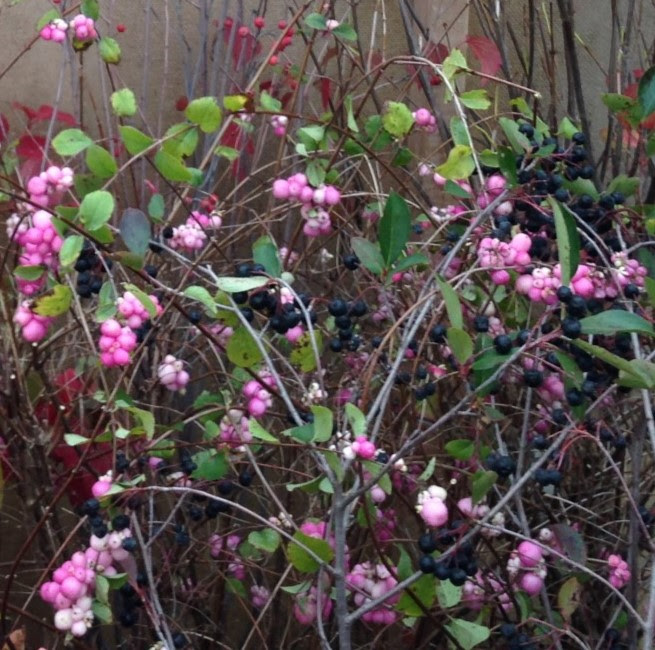
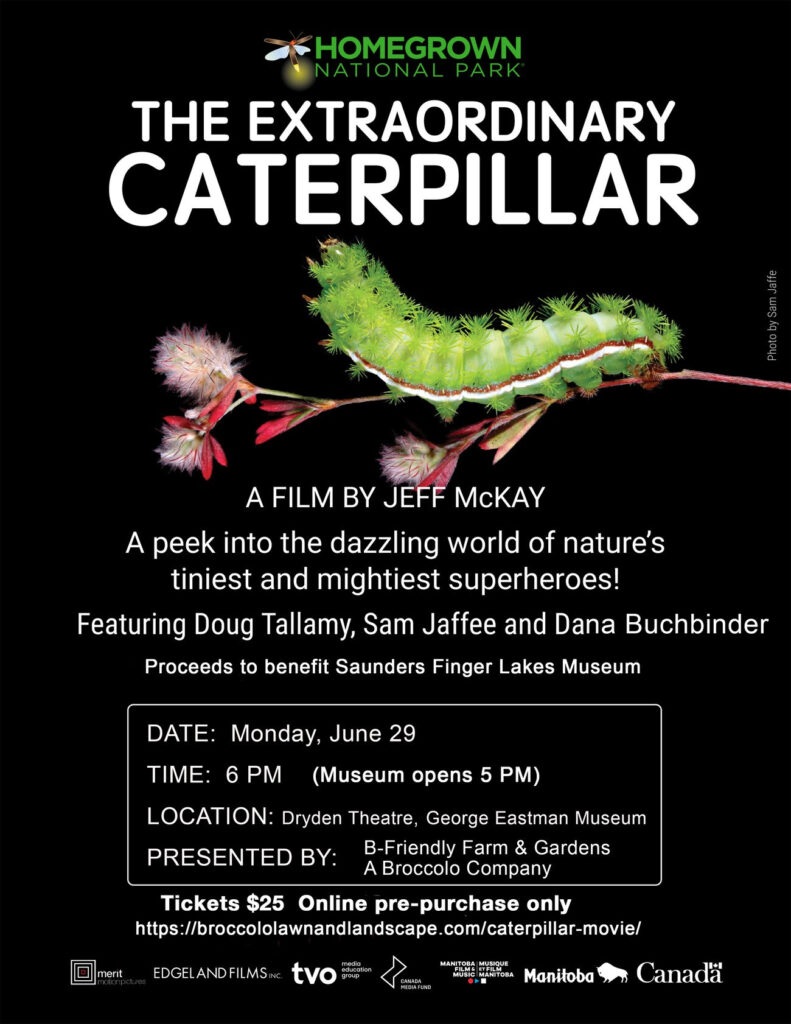
That was just the beginning of his plan to plant with a purpose. Broccolo is working closely to design and install a variety of plants to support birds’ appetite for berries and seeds but most importantly insects. Did you know that nestlings require hundreds of fleshy protein meals from caterpillars, beetle grubs and spiders to survive the 1st few weeks? The decline of host plants has a direct effect on declining bird populations.
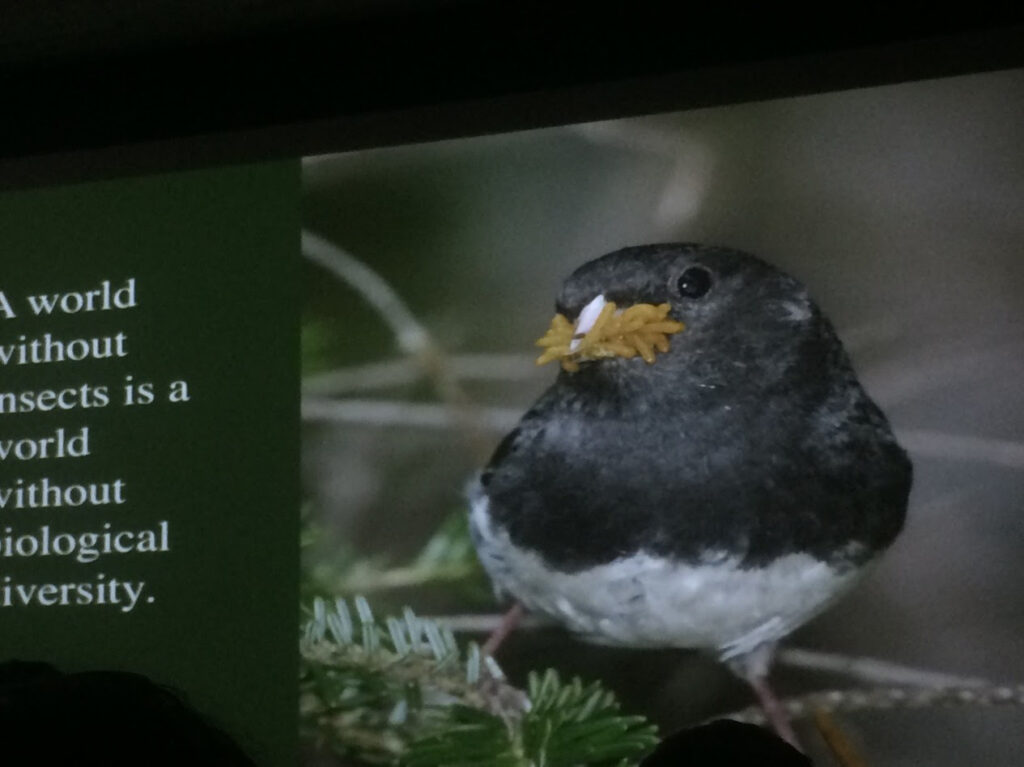
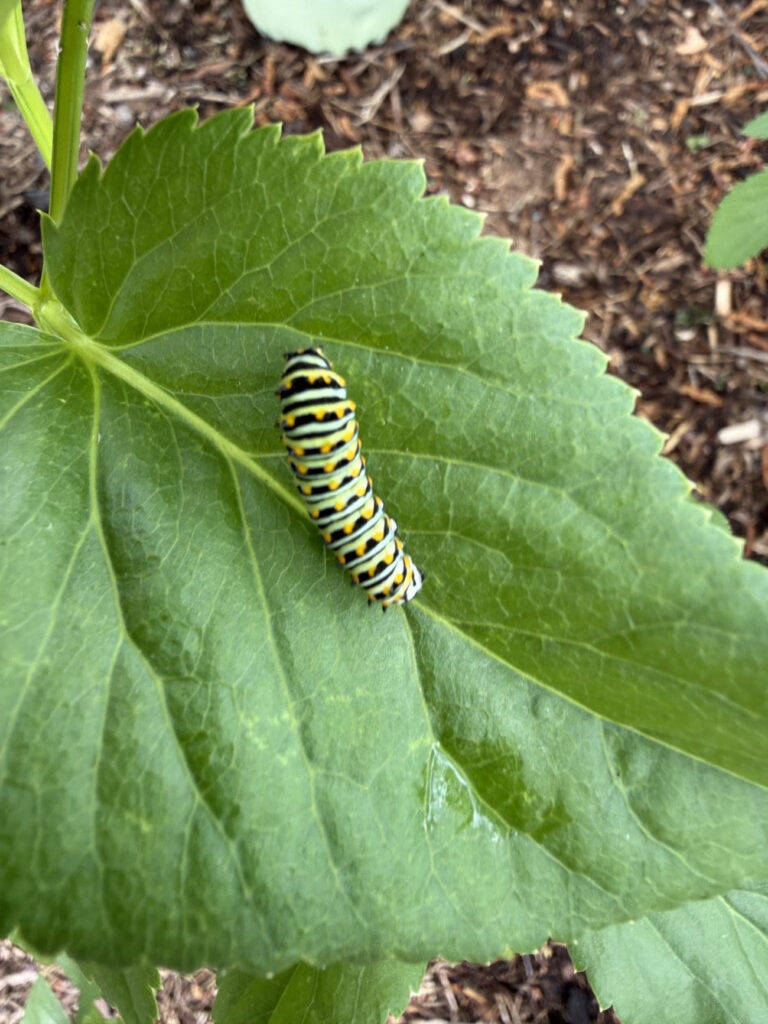
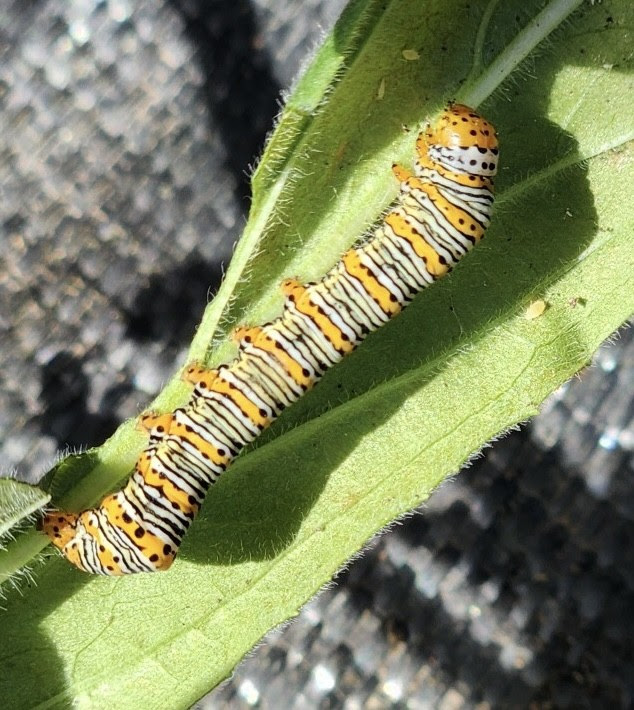
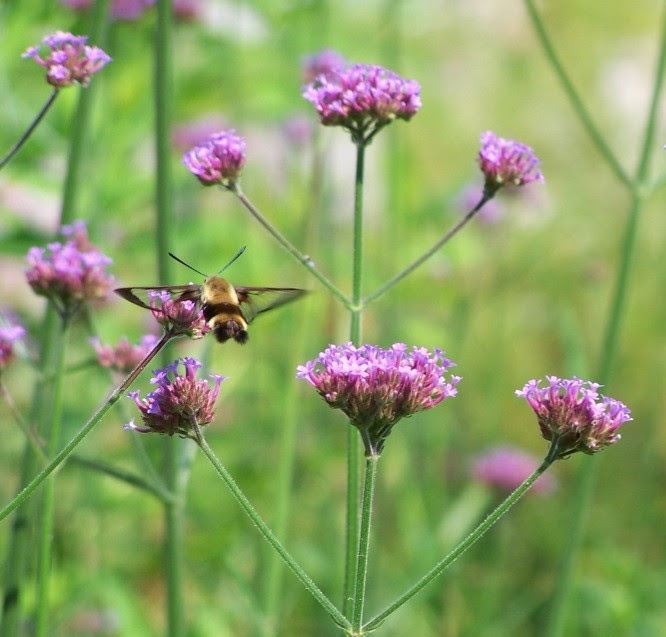
Photo By: Doug Tallamy Homegrown National Park
https://homegrownnationalpark.org
Caterpillar photos from Broccolo staff
Phase 1 was planting the trees. Phase 2 is creating an inviting pathway for the neighbors by removing all the lawn except for a walking path that begins at the entrance of the driveway near the road. The gardens beckon the neighbor’s curiosity to enjoy a gift of nature in the front yard. It began with an idea, then a sketch, then plant choices, soil preparation and planting and now maintaining to get everything established. Once established, the native plants will require minimal care as they crowd out weeds and reduce the need to replenish mulch.
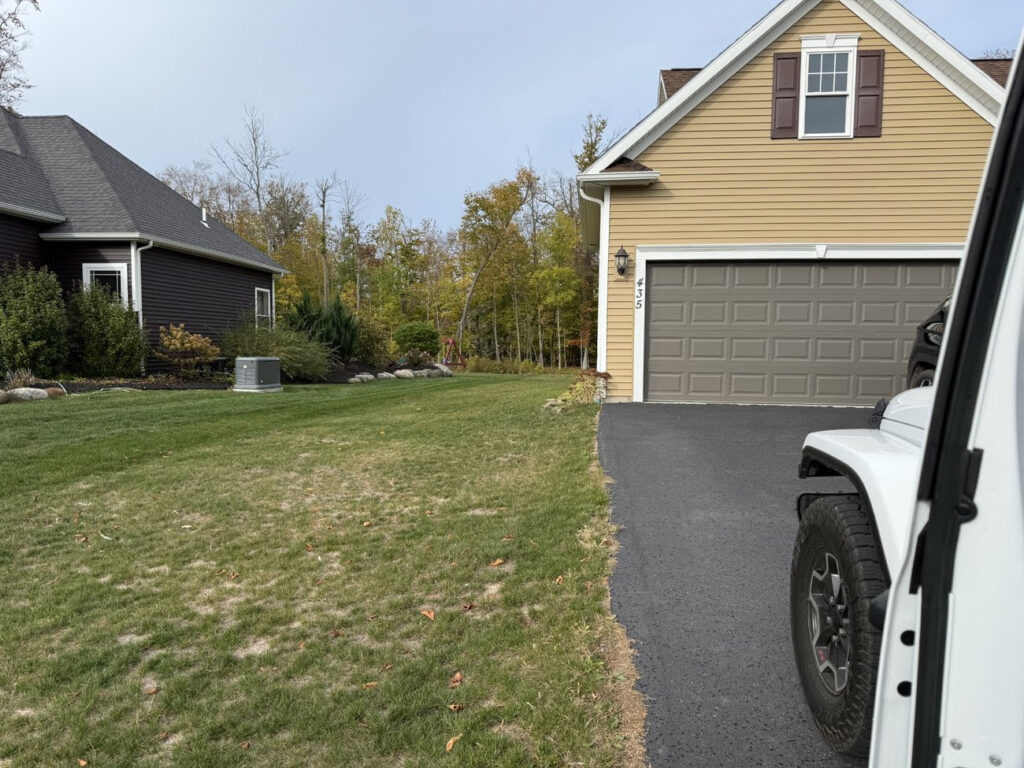
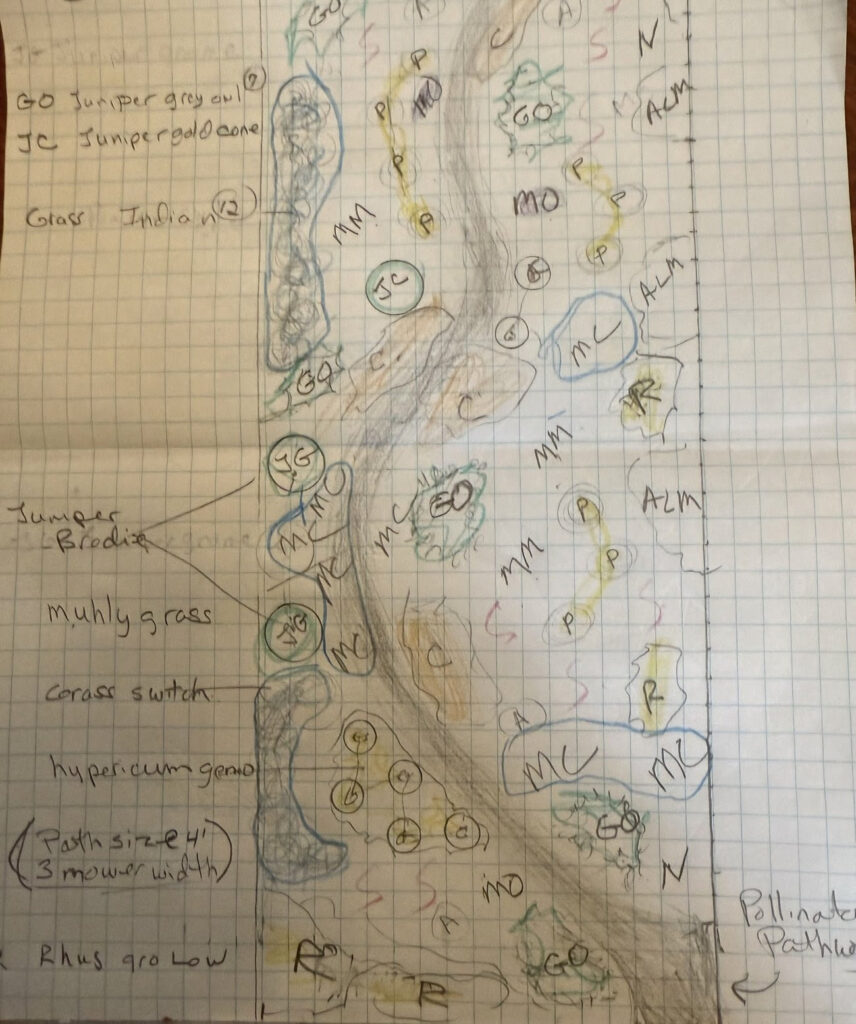
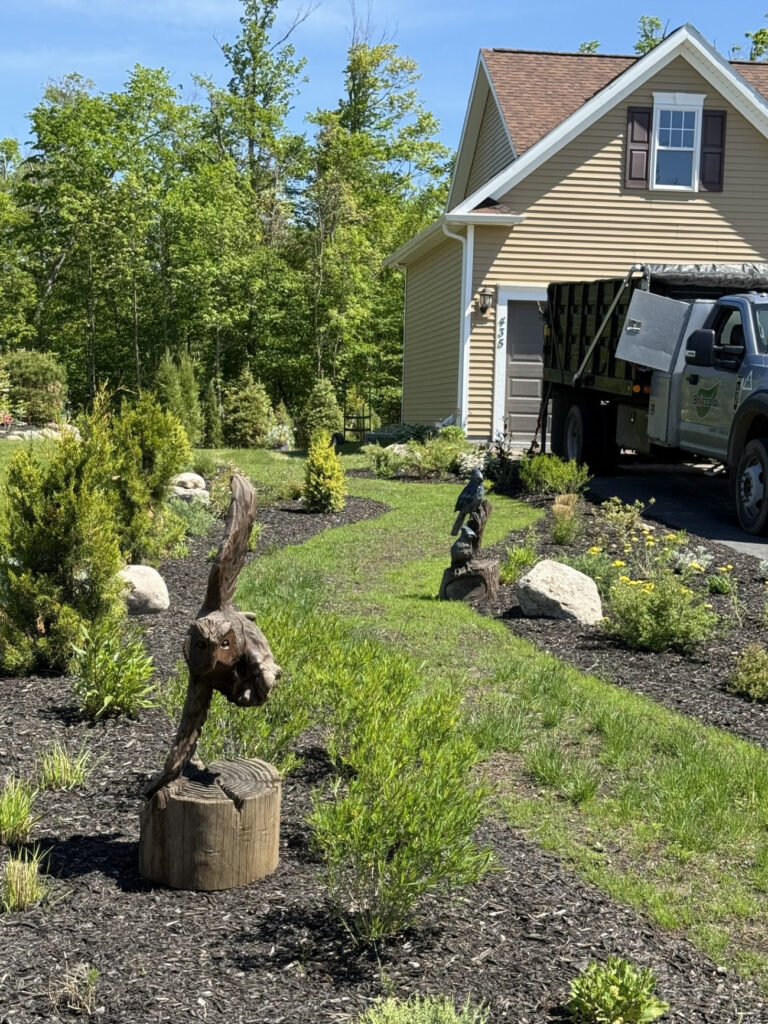
Phase 3 includes pollinator gardens. The different habitats in this average yard include wet areas, hot sunny dry areas, shade from the house and planned shade by the placing trees strategically to allow enough sun as they grow and mature without shading the plants that require sun. Some shrubs are perfect as understory fillers among the tall deciduous trees. Evergreens are used for screening and winter texture while also providing shelter.
Did you know B-Friendly Farm and Gardens is at the Fairport Farmers Market every Saturday? Make sure to stop in and say hello!
More Info
So many classes coming up! Check out our site and find some that you want to sign up for.
Login to your account and click refer,
We will add $25 to your account when they sign up!
Refer
KEEP UP WITH US
Discover how to convert your conventional lawn into a vibrant ecosystem that supports local wildlife, including birds, bees, and beneficial insects. This approach emphasizes the strategic planting of native species, which are crucial for providing essential food sources and shelter for a diverse range of creatures.
By understanding the ecological needs of your local fauna, you can create a backyard that not only enhances biodiversity but also reduces the need for extensive maintenance. Native plants are naturally adapted to your climate and soil conditions, leading to more resilient and sustainable landscapes.
Native plants serve as the foundation of a healthy backyard ecosystem, particularly for supporting bird populations. They are the primary food source and breeding grounds for countless insect species, many of which are vital to a bird's diet, especially during nesting season.
For instance, plants like the snowberry shrub not only offer berries for birds in the fall but also act as host plants for important pollinators like hummingbird moths. Understanding these connections is key to creating a landscape that actively contributes to the survival and flourishing of local bird species.
Embarking on the journey to transform your lawn into a wildlife habitat can be effectively managed through a phased approach. This method allows for careful planning, soil preparation, and the strategic selection and planting of native species to ensure successful establishment and long-term sustainability.
The process begins with conceptualization and design, followed by the crucial steps of preparing the soil and planting. Once established, these native landscapes typically require less intensive maintenance, as they naturally outcompete weeds and reduce the need for frequent mulching, creating a more self-sufficient and beautiful environment.
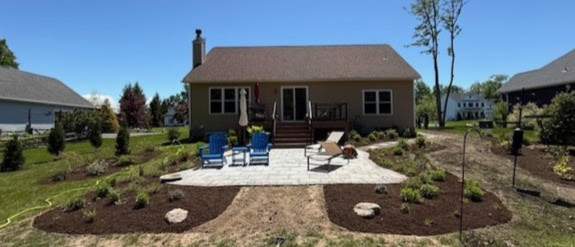
Designing a wildlife habitat doesn't mean sacrificing your own enjoyment of your outdoor space. Modern ecological landscaping focuses on seamlessly integrating human-centric areas like decks, patios, and pathways with the natural habitats you are creating for wildlife.
This thoughtful integration ensures that your backyard remains a functional and beautiful extension of your home, while simultaneously providing essential resources and safe havens for birds, bees, and other beneficial insects. The result is a harmonious coexistence where both humans and nature can thrive.

